


Do Filters Make Cigarettes Safer?
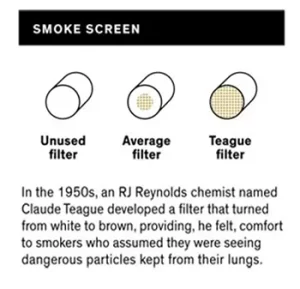
Cigarette filter safety has been a deceptive promise for decades. A relative of mine in the early 1960s took up smoking at university in England. He and his friends genuinely reassured themselves that filters made cigarette smoking much safer. They would cut open the filter at the end of a cigarette and proudly show how yellow it had become, believing—wrongly—that it had stopped the toxins from reaching their lungs.
Little did they realize that the filters were deliberately designed to turn yellow when smoked and provided virtually no protection at all. Fortunately, my relative was able to quit smoking, but tragically his wife could not and died in her early 60s of brain and lung cancer. I wrote a dedication to her memory in my book, Wigmore on Nicotine and Its Drug Delivery Systems: The Medicolegal Aspects of Our Most Addictive and Dangerous Legal Drug.
Table of Contents
- The Illusion of Protection: How Cigarette Filter Dangers Were Hidden
- Cigarette Filter Dangers: The "Fall-Out" Problem
- Environmental Impact: The Legacy of Cigarette Filter Dangers
- A "Massive Marketing Ploy": The Industry's Intentional Deception
- When Filters Were Finally Useful
- Conclusion
- Cigarette Filter: FAQs
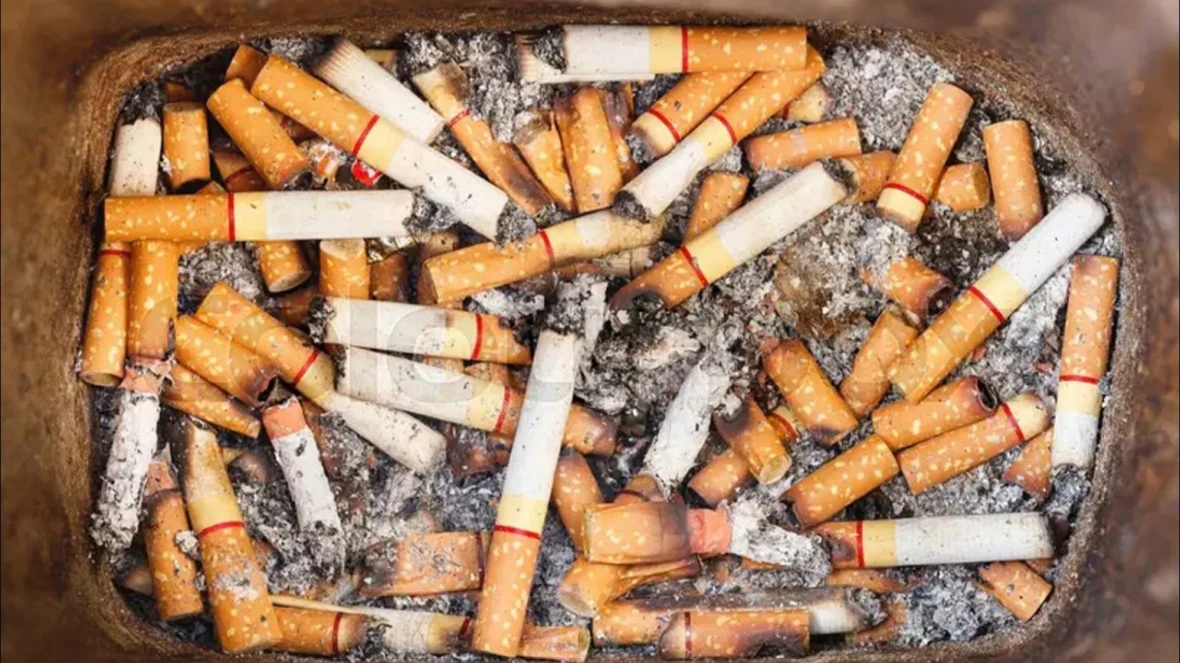
The Illusion of Protection: How Cigarette Filter Dangers Were Hidden

Smokers today have a greater risk of developing lung cancer than did smokers in 1964…Evidence suggests that ventilated filters may have contributed to higher risks of lung cancer by enabling smokers to inhale more vigorously, thereby drawing carcinogens contained in cigarettes smoke more deeply into lung tissue.
Surgeon General Fact Sheet, 2014

This revelation confirms what many toxicologists have long suspected. The cigarette filter was never a genuine safety device. Instead, it was a masterful piece of marketing that gave smokers a false sense of security. By making cigarettes feel “lighter” and “safer,” filters encouraged deeper inhalation and increased exposure to cancer-causing chemicals.
Cigarette Filter Dangers: The "Fall-Out" Problem
 Beyond their failure to protect, filters introduce their own unique health risks. The white fibres found in the filter tips of over 90% of commercial cigarettes are made by treating wood pulp with acetic anhydride and then dissolving it in acetone. This process creates approximately 12,000 plastic-like cellulose acetate fibres in each filtered cigarette. These fibres also contain a delustrant (titanium dioxide) and a plasticizer (glycerate triacetate) to bind them together.
However, during high-speed manufacturing, boxing, and transportation, these cellulose fibres break loose. The tobacco industry has known about this problem since the 1950s. Philip Morris internally referred to these loose fibres as “fall-out.” When a smoker inhales, these microscopic plastic fibres break loose and are drawn directly into the lungs, posing another, often overlooked, health risk.
Environmental Impact: The Legacy of Cigarette Filter Dangers
 The dangers of cigarette filters do not end with the smoker. An estimated 4.5 trillion cigarette butts are discarded worldwide each year, making them the single most common form of litter on the planet. Each butt contains between 9 to 30 mg of nicotine along with a cocktail of toxic chemicals, metals, and poisons.
Scientific research has demonstrated just how toxic this litter is. A study by Slaughter et al. (2011) found that just one cigarette butt in one litre of water can kill 50% of Topsmelt fish exposed to it. These discarded butts are a persistent threat to birds, marine life, animals, and even curious children who might pick them up.
A "Massive Marketing Ploy": The Industry's Intentional Deception
For decades, the tobacco industry promoted filtered cigarettes as a safer choice. However, internal documents and court proceedings have revealed this was a calculated deception. A Quebec Superior Court examined the tobacco industry’s promotion of filters as being safer and described it as a “gimmick” (in French, “ruse”). The court concluded the industry treated its customers “as mushrooms” and that it was “nothing more than a massive marketing ploy.”
The use of filters has been, and remains, a delaying tactic—a way to prevent smokers from quitting by offering a false solution to genuine health risks.
When Filters Were Finally Useful
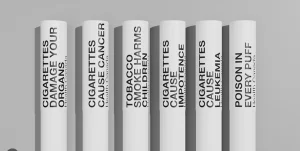 It took government regulation to give the cigarette filter any positive function. Several years ago, Health Canada enacted a law requiring all cigarettes sold in Canada to carry a health message printed directly on the filter paper. For the first time, the filter served a purpose beyond deception: it became a vehicle for a warning. This small measure ensures that with every puff, a smoker is reminded of the very real health consequences the filter cannot prevent.
Conclusion
The question “Do filters make cigarettes safer?” has a clear and definitive answer: No. They are a sophisticated illusion of harm reduction. The real story of the cigarette filter is one of industry deception, increased cancer risk, inhalation of plastic fibres, and massive environmental pollution. Understanding these cigarette filter dangers is essential for making informed choices and recognizing that the only truly safer option is to quit entirely.
References
Harris, B., “The Intractable Cigarette Filter Problem”, Tobacco Control, 20 (Suppl 1): i10-i16, 2011
Cigarette Filter: FAQs
What is a cigarette filter made of?
Over 90% of cigarette filters are made from cellulose acetate, a plastic-like material created from wood pulp and treated with chemicals like acetic anhydride and acetone.
Do cigarette filters make smoking safer?
No. Evidence shows ventilated filters may increase lung cancer risk by causing smokers to inhale more deeply, drawing carcinogens further into the lungs.
What are cigarette filter dangers?
Filters provide false reassurance, can shed microscopic plastic fibres ("fall-out") that are inhaled, and do not block many harmful toxins or carcinogens.
How do cigarette butts harm the environment?
With 4.5 trillion butts littered yearly, they release nicotine, toxic metals, and chemicals. Studies show one butt in one litre of water can be lethal to some fish species.
What is cigarette filter "fall-out"?
"Fall-out" refers to microscopic cellulose acetate fibres that break loose from filters during manufacturing or smoking and are then inhaled directly into the smoker's lungs.
Have any courts ruled on cigarette filters?
Yes. A Quebec Superior Court found the tobacco industry's promotion of filters as safer was a "gimmick" and a "massive marketing ploy" designed to deceive customers.
Did the tobacco industry know filters were unsafe?
Internal documents show companies like Philip Morris knew about fibre "fall-out" risks as early as the 1950s but did not warn the public.
Why do cigarette filters turn yellow?
Filters are designed to turn yellow from trapped particulate matter, which visually reinforces the illusion that they are effectively blocking toxins.
Are cigarette filters useful for anything?
In Canada, filters were made useful when Health Canada required health warning messages to be printed on them, serving as a constant reminder of risks.
What should I do with a cigarette butt?
Cigarette butts are toxic waste and should be disposed of in a proper bin, never on the ground, to protect children, animals, and the environment.
Recent News
Nicotine Pouches: The Prolonged, Slow Release of N...
Nicotine pouches are tobacco-free products marketed by major tobacco companies as safer alternatives to smoking,...
Read More
Nicotine as a Chemical Weapon?
E cigarette liquid nicotine is not just a vaping product—it is one of the most potent...
Read More