


A Floating Carbon Monoxide Generator: Toxic Gas Risks on Boats
A boat may seem like the perfect place to relax in fresh air and sunshine, but it can also hide an unexpected danger. Carbon monoxide is a silent toxic gas that can accumulate around vessels without warning, creating serious risks for boaters who may not even realize they are being exposed.
Boating and CO
Toxic gas exposure can occur even when you are relaxing in the fresh ocean air and sunshine on a boat. It is difficult to believe that such a peaceful setting could still present a serious safety risk. Carbon monoxide (CO) is a toxic gas that is odorless, invisible, and non-irritating, which makes it particularly dangerous. Because people cannot see or smell it, they often do not realize it is present until symptoms begin.
Traditional smoke detectors do not alarm for carbon monoxide, which adds another layer of risk in boating environments. Many boaters assume that open air and wind provide enough ventilation, but this is not always the case.
CO is formed anywhere there is combustion. On boats, there are several common sources where this toxic gas can be produced, including:
- Diesel engines
- Gasoline engines
- Gas stoves and lights
- Electrical generators
- Water heaters
Each of these systems produces exhaust gases during normal operation. In enclosed or poorly ventilated areas of a vessel, those exhaust gases may accumulate. Because of this, a vessel can effectively be considered a large floating generator of toxic gas if proper precautions are not taken.
Toxic Gas and Back Drafting
Back drafting is one of the most dangerous ways toxic gas can enter the interior of a boat.
This situation can occur when a boat is operated with the bow at a high angle. Instead of the carbon monoxide exhaust being blown safely away from the vessel, the exhaust gases are pulled back toward the boat. This process, known as back drafting, allows the toxic gas to re-enter the vessel and spread inside.
Once inside, the gas can accumulate quickly and potentially cause carbon monoxide poisoning among passengers.
An illustration of this occurred when a friend of mine and his family went out on grandpa’s favourite lake with his ashes. They slowly travelled around in their boat, reflecting on their loss and sharing memories.
Eventually one of the sons said, “Now let’s gun the boat and spread grandpa’s ashes to the wind.”
When the boat accelerated, the bow lifted high. The ashes were released into the air, but instead of blowing away behind the vessel, they were pulled back toward the boat. The ashes returned inside, covering both the boat and its occupants.
While the story is humorous in hindsight, it demonstrates how airflow around a vessel can behave in unexpected ways. If ashes can back draft into the boat, toxic gas from exhaust systems can do the same thing.
Other Sources of Carbon Monoxide Exposure
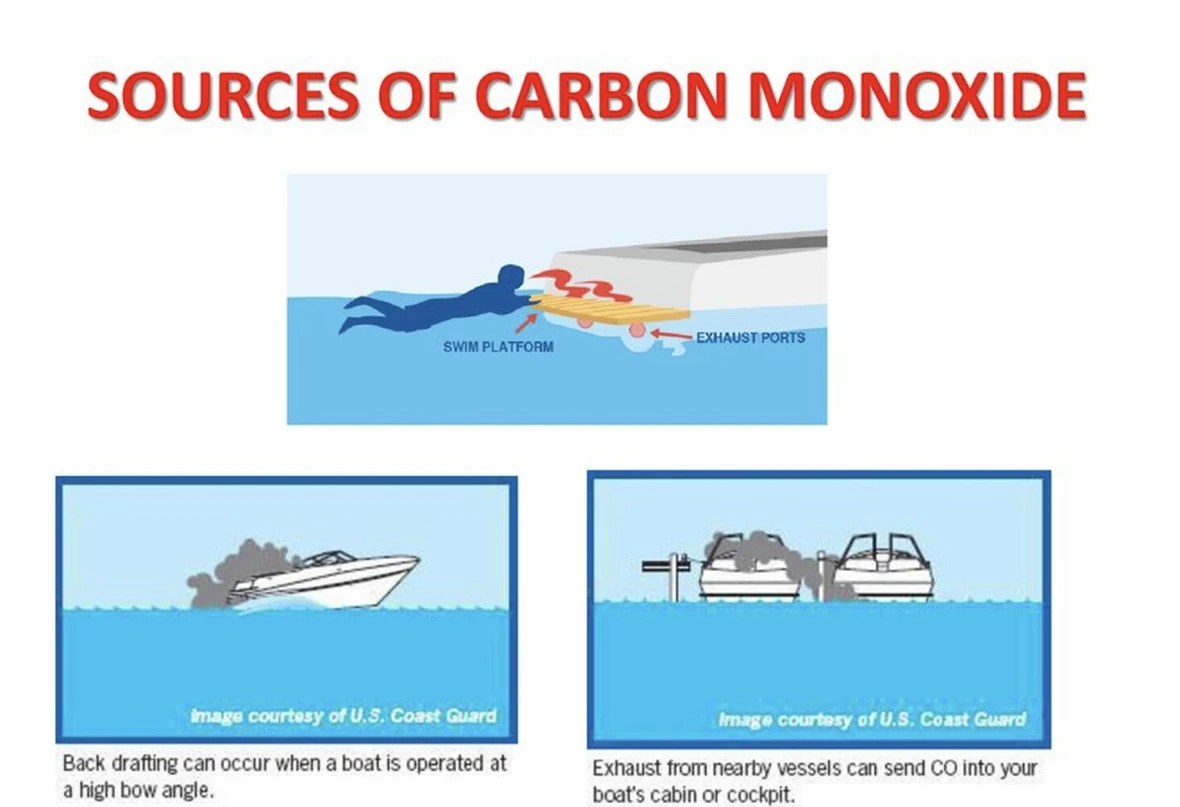 Back drafting is not the only way carbon monoxide exposure can occur during boating.
Other common sources include:
- Swim platforms located close to engine exhaust outlets
- Exhaust fumes from nearby vessels
- Idling engines while passengers sit near the stern
- Poor ventilation in enclosed cabin
Swim platforms are particularly risky because they place passengers close to the point where exhaust gases leave the boat. When a boat is idling or moving slowly, those gases may linger around the stern.
In crowded boating areas, exhaust from other vessels can also drift toward your boat. In these situations, toxic gas exposure may come from multiple directions, not just your own engine.
Another important point is that carbon monoxide does not always need to kill to create danger. In many cases it simply causes dizziness, confusion, or unconsciousness. When boating, losing consciousness can lead to additional hazards such as falling overboard or drowning.
CO Poisoning Prevention
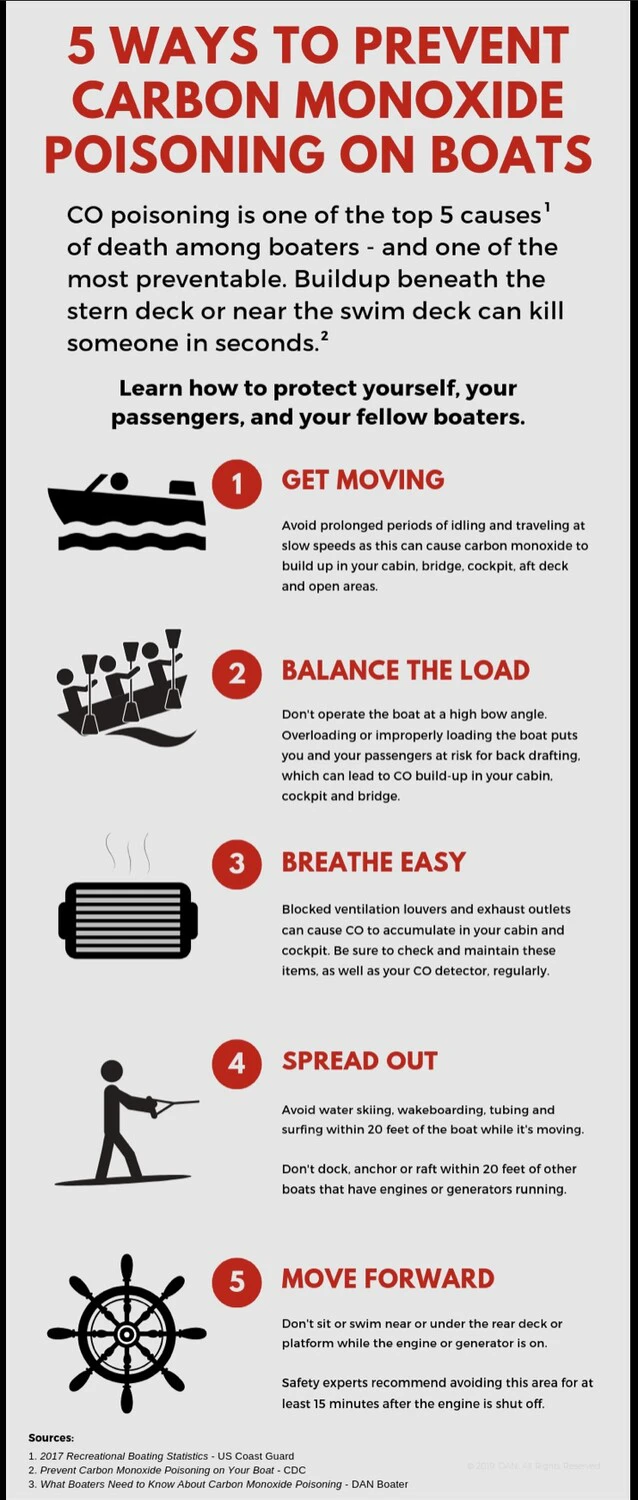 Preventing exposure to toxic gas on boats involves awareness and practical safety measures. Boaters should treat carbon monoxide with the same seriousness as any other onboard hazard.
Key prevention steps include:
- Install marine-approved carbon monoxide detectors
- Maintain engines and exhaust systems regularly
- Avoid idling engines near swim platforms
- Ensure proper ventilation in cabins
- Be cautious when operating at steep bow angles
- Avoid swimming near engine exhaust areas
Passengers should also be aware of early symptoms of carbon monoxide exposure, such as headaches, dizziness, nausea, or confusion. If any of these symptoms appear while boating, it is important to move into fresh air immediately and stop the engine if possible.
Boating is meant to be enjoyable and relaxing, but understanding the risks associated with toxic gas can help ensure that time on the water remains safe for everyone.
References
Lasala, G., McKeever, R., Okaneku, J., et al. “The Epidemiology and Characteristics of Carbon Monoxide Poisoning Among Recreational Boaters”, Clinical Toxicology, 53: 127-130, 2015
Silvers, S.M., and Hampson, N.B., “Carbon Monoxide Poisoning Among Recreational Boaters”, JAMA, 274: 1614-1616, 1995
Stay Safe on the Water from Hidden Dangers
Understand Carbon Monoxide Risks Before Your Next Boating Trip
A day on the water should be relaxing—but as you’ve seen, carbon monoxide can accumulate in unexpected ways, even in open-air boating environments. From back drafting to exhaust exposure near swim platforms, the risks are often invisible and misunderstood. Awareness is the first step, but real protection comes from deeper knowledge of how these incidents happen and how they can be prevented.
Get Your Copy of Wigmore on Carbon MonoxideLearn how carbon monoxide behaves in real-world scenarios—including boating environments—and gain insights from forensic toxicologist James Wigmore. Wigmore on Carbon Monoxide explores the science, real case studies, and prevention strategies that can help keep you and your passengers safe—on the water and beyond.
Toxic Gas Carbon Monoxide: FAQs
What is a toxic gas in boating environments?
A toxic gas such as carbon monoxide is produced by combustion from engines, generators, and fuel-burning appliances on boats.
Why is carbon monoxide considered dangerous?
Carbon monoxide is dangerous because it is invisible, odourless, and non-irritating, making it difficult to detect without proper detectors.
What causes back drafting on boats?
Back drafting happens when airflow pulls exhaust gases back toward the vessel, often when the bow is raised at a steep angle during acceleration.
Can toxic gas exposure happen outdoors on a boat?
Yes. Even outdoors, airflow patterns around the vessel can cause carbon monoxide to accumulate in certain areas.
Are swim platforms dangerous for carbon monoxide exposure?
Swim platforms can be risky because they are often close to engine exhaust outlets where carbon monoxide is released.
What symptoms indicate possible carbon monoxide exposure?
Common symptoms include headache, dizziness, nausea, confusion, and fatigue.
Do regular smoke detectors detect carbon monoxide?
No. Traditional smoke detectors do not detect carbon monoxide. Special carbon monoxide detectors are required.
Can exhaust from other boats be dangerous?
Yes. In crowded waterways, fumes from nearby boats can drift toward your vessel and contribute to exposure.
How can boaters reduce toxic gas risk?
Proper engine maintenance, installing CO detectors, ensuring ventilation, and avoiding areas near exhaust outlets can reduce risk.
Recent News

CO Poisoning in a Tent
Carbon monoxide is a silent killer. This colourless, odourless poisonous gas has claimed countless lives since humans...
Read More
Will o’ The Wisp
The field of forensic sciences has evolved dramatically over the past century, but some of its most...
Read More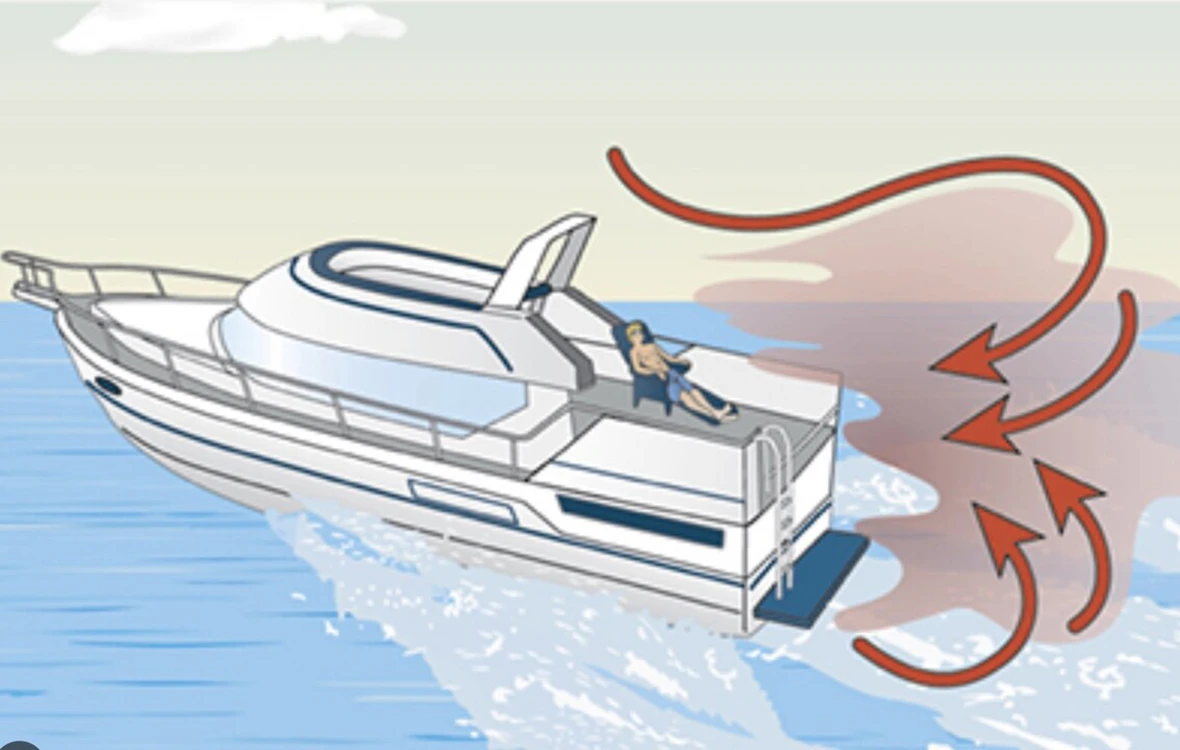
A Floating Carbon Monoxide Generator: Toxic Gas Ri...
A boat may seem like the perfect place to relax in fresh air and sunshine,...
Read More
CO- The Ancient, Silent Killer Does not Take Vacat...
The silent killer carbon monoxide is one danger most travellers never expect to encounter while...
Read More