


Switching to E-Cigarettes Did not Prevent His Lung Cancer Death
He quit smoking cigarettes in 2009 and switched to e-cigarettes, believing he had made a healthier choice. Eleven years later, he was dead from an aggressive lung cancer typically seen in much older smokers.

This is a chemistry experiment that you’re inhaling
Dr. Robin Deterding quoted by Butzer, 2019

What Is Inside an E-Cigarette?
Electronic cigarettes are battery-powered devices that vaporize a nicotine-containing liquid composed of propylene glycol, glycerol, flavourings, and other chemicals which have been known to cause EVALI (e-cigarette or vaping product use-associated lung injury). The vapour contains numerous harmful substances including:
- Aldehydes
- Ultra-fine particles
- Various volatile organic compounds
- Heavy metals
These substances are associated with cancer and angiogenesis (the growth of new blood vessels that feed tumours). Many people who use an electronic cigarette believe they are inhaling only harmless water vapour. This is false. The aerosol contains toxic chemicals that can damage lung tissue over time.
The Tobacco Industry's Messaging
The Tobacco Industry has been encouraging cigarette smokers to switch to vaping as an alternative to quitting nicotine completely. The message is often framed as “harm reduction” – a less dangerous alternative to combustible tobacco. However, switching to an e-cigarette does not eliminate risk. It simply trades one set of toxic exposures for another.
Case Report: A 51-Year-Old Man
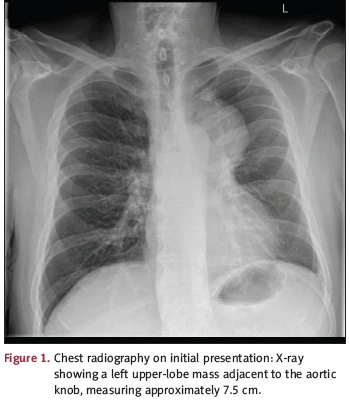 A 51-year-old man with type 2 diabetes and hypertension quit smoking cigarettes in 2009 after 10 pack-years of use and switched to vaping. He used his device consistently for the next 11 years. After 11 years of e-cigarette use, he developed an aggressive advanced squamous cell carcinoma (SCC) which caused his death 3 months later.
This timeline is critical:
- 2009: Quit cigarettes, started e-cigarette
- 2020: Developed aggressive lung cancer
- 3 months later: Died from the disease
Why This Case Is Unusual
This type of lung cancer is typically associated with older smokers greater than 60 years of age, and with 40 to 50 pack years of cigarette use. The patient was only 51 years old. His cigarette history was only 10 pack-years – far below the typical range for squamous cell carcinoma. His primary exposure in the 11 years before his cancer diagnosis was his vaping habit.
Although the deceased stopped smoking, he still continued inhaling various chemicals and highly addictive nicotine into his lungs using e-cigarettes. Nicotine is still considered not to be highly carcinogenic on its own, but it causes angiogenesis and promotes the spread of cancer throughout the body – which occurred in this case. The nicotine from his e-cigarette may have accelerated the growth and metastasis of his existing lung cancer.
Conclusion
This report describes a 51-year-old male former cigarette smoker with an 11-year history of e-cigarette use (vaping) presenting with an aggressive squamous cell carcinoma of the lung which was fatal. He died just 3 months after diagnosis. Switching to an e-cigarette did not save his life. It did not prevent his cancer. It simply changed the delivery method of toxic chemicals into his lungs.
For anyone considering an e-cigarette as a “safe” alternative to smoking, this case is a warning. The long-term health effects of vaping are still being discovered. This man’s death is one data point – but it is a tragic one.
Expert Analysis on E-Cigarette Toxicity and Lung Disease
Consult a Forensic Toxicology Expert
Cases involving e-cigarette use, lung cancer, and nicotine toxicity require deep expertise in inhalation toxicology and chemical exposure assessment. With decades of experience at Toronto’s Centre of Forensic Sciences and more than 70 peer-reviewed publications, James Wigmore provides expert insight into vaping-related injuries, toxic chemical analysis, and public health implications.
Contact James Wigmore for Expert ConsultationClick here to discuss e-cigarette toxicology cases, research questions, or litigation support.
FAQs on E-Cigarette Use and Lung Cancer
How long did the patient use an e-cigarette before developing cancer?
He used an e-cigarette for 11 years after quitting smoking cigarettes in 2009.
What type of lung cancer did he develop?
He developed aggressive advanced squamous cell carcinoma (SCC) of the lung.
How long after diagnosis did he die?
He died just 3 months after diagnosis.
What is the typical age for this type of lung cancer?
Squamous cell carcinoma is typically associated with smokers over 60 years of age with 40 to 50 pack years of cigarette use.
How many pack years of cigarette smoking did this patient have?
He had only 10 pack years – far below the typical range.
What other health conditions did he have?
He had type 2 diabetes and hypertension.
How does nicotine affect cancer progression?
Nicotine causes angiogenesis, which promotes the spread of cancer throughout the body.
What harmful substances are found in e-cigarette vapour?
Aldehydes, ultra-fine particles, volatile organic compounds, and heavy metals – all associated with cancer.
What is EVALI?
EVALI stands for e-cigarette or vaping product use-associated lung injury, caused by chemicals in vape liquids.
Who is Dr. Robin Deterding?
A physician quoted in the article saying "This is a chemistry experiment that you're inhaling" about e-cigarettes.
Recent News
Organophosphates? Sarin? Russian Nerve Agent? No- ...
Nicotine poisoning is a serious and often underestimated danger. Nicotine is the most toxic and...
Read More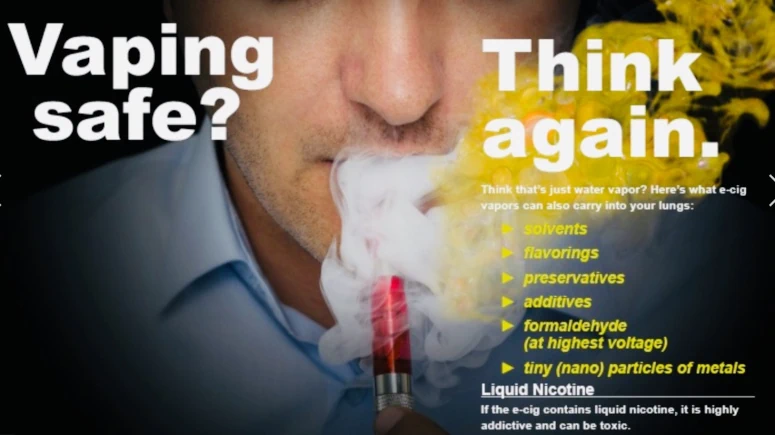
Switching to E-Cigarettes Did not Prevent His Lung...
He quit smoking cigarettes in 2009 and switched to e-cigarettes, believing he had made a...
Read More
It is Not Harm Reduction When Children and Youth a...
Flavoured nicotine pouches are marketed as “reduced harm” for adults. But when a 13-year-old girl...
Read More
Nicotine as a Chemical Weapon?
E cigarette liquid nicotine is not just a vaping product—it is one of the most potent...
Read More