


It is Not Harm Reduction When Children and Youth are Poisoned
Flavoured nicotine pouches are marketed as “reduced harm” for adults. But when a 13-year-old girl loses consciousness and a 15-year-old boy suffers seizures, is this really harm reduction?

Nicotine pouches while promoted as a reduced harm alternative to tobacco products for adult smokers are not risk-free products. The distinction between reduced harm and risk free is crucial and must be a central point in the discussion on legislative regulation and public health.
Giketai et al, 2025

Why Harm Reduction Fails When Children Are Exposed to Nicotine Pouches
Nicotine is a potent toxic alkaloid, and a banned pesticide that stimulates dopamine release. Many adults turn to nicotine pouches believing they are making a safer choice. However, the term harm reduction was never intended to apply to children and youth. When these products leak into the hands of adolescents, the consequences can be severe.
Nicotine poisoning consists of 2 phases:
- Initial stimulatory phase – appears from 15 to 60 minutes after use and includes hypersalivation, vomiting, hypertension and tachycardia
- Depressant phase – lasts 4 to 6 hours and includes bradycardia, hypotension, neuromuscular blockade which results in weakness, hyperventilation, apnea and cardiovascular collapse
These symptoms are severe. For a child, even a single nicotine pouch can trigger the full cascade of poisoning. This is why harm reduction messaging aimed at adults creates dangerous misconceptions when products reach underage users. A teenager who hears “reduced harm” may assume the product is safe for them. It is not.
Nicotine Pouches: Designed for Adults, Accessed by Kids
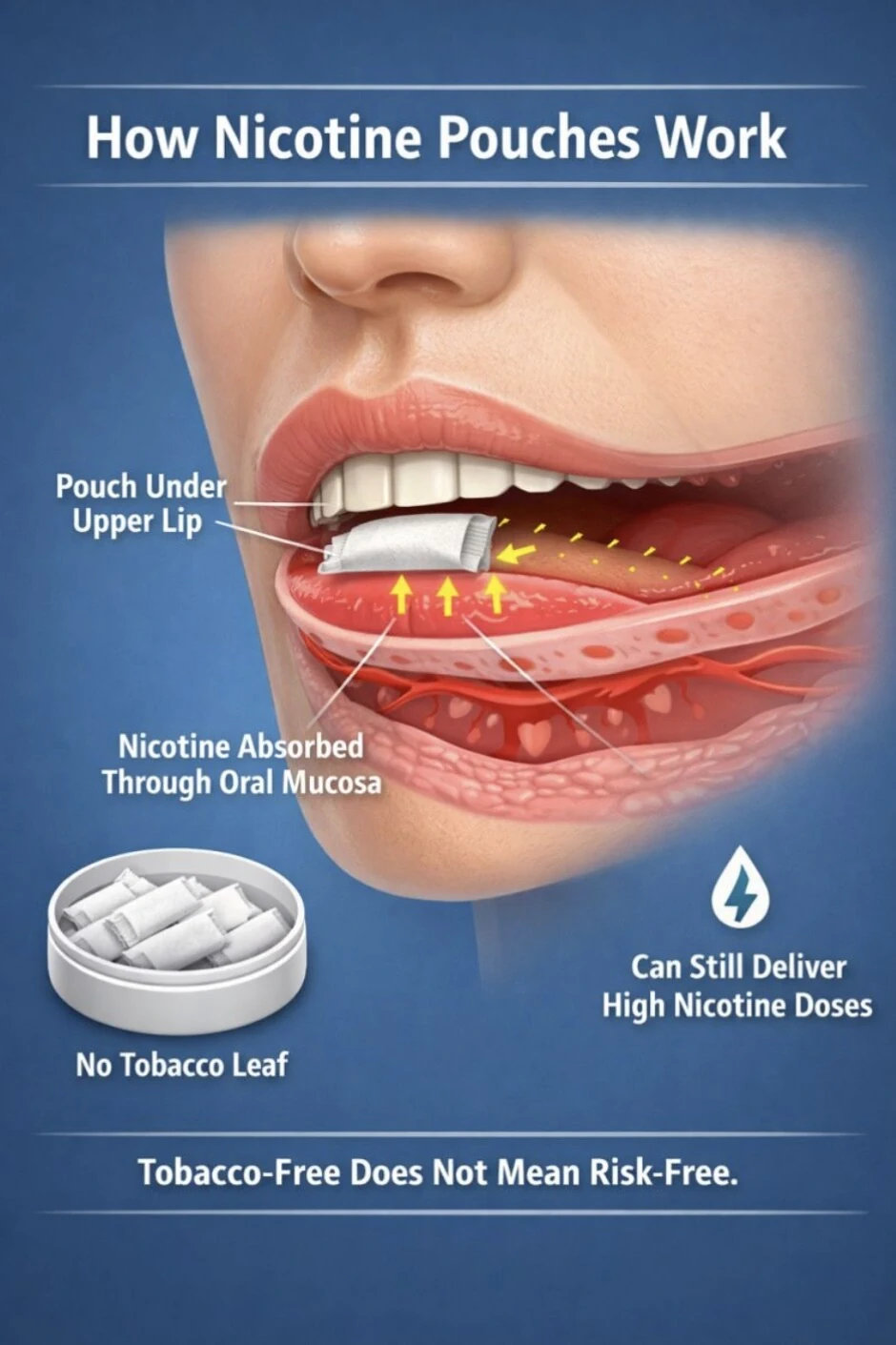 Nicotine pouches are now the second most frequent tobacco product used by adolescents and children after e-cigarettes. They contain:
- Nicotine (synthetic or extracted from tobacco)
- Plant fibres (to absorb excess saliva produced by the pouch)
- Water
- pH regulators (to increase the rate of absorption of nicotine)
- Flavourings
Although the absorption of nicotine from pouches is slower than smoking, its absorption through the oral cavity avoids the liver and bypasses first-pass metabolism. This results in nicotine entering the bloodstream more directly and remaining in circulation for a longer period of time. The harm reduction promise of slower absorption does not eliminate toxicity – it merely delays the onset of poisoning. A child who does not feel immediate effects may consume multiple pouches, leading to a dangerous overdose.
Case Reports of Poisoning in Adolescents
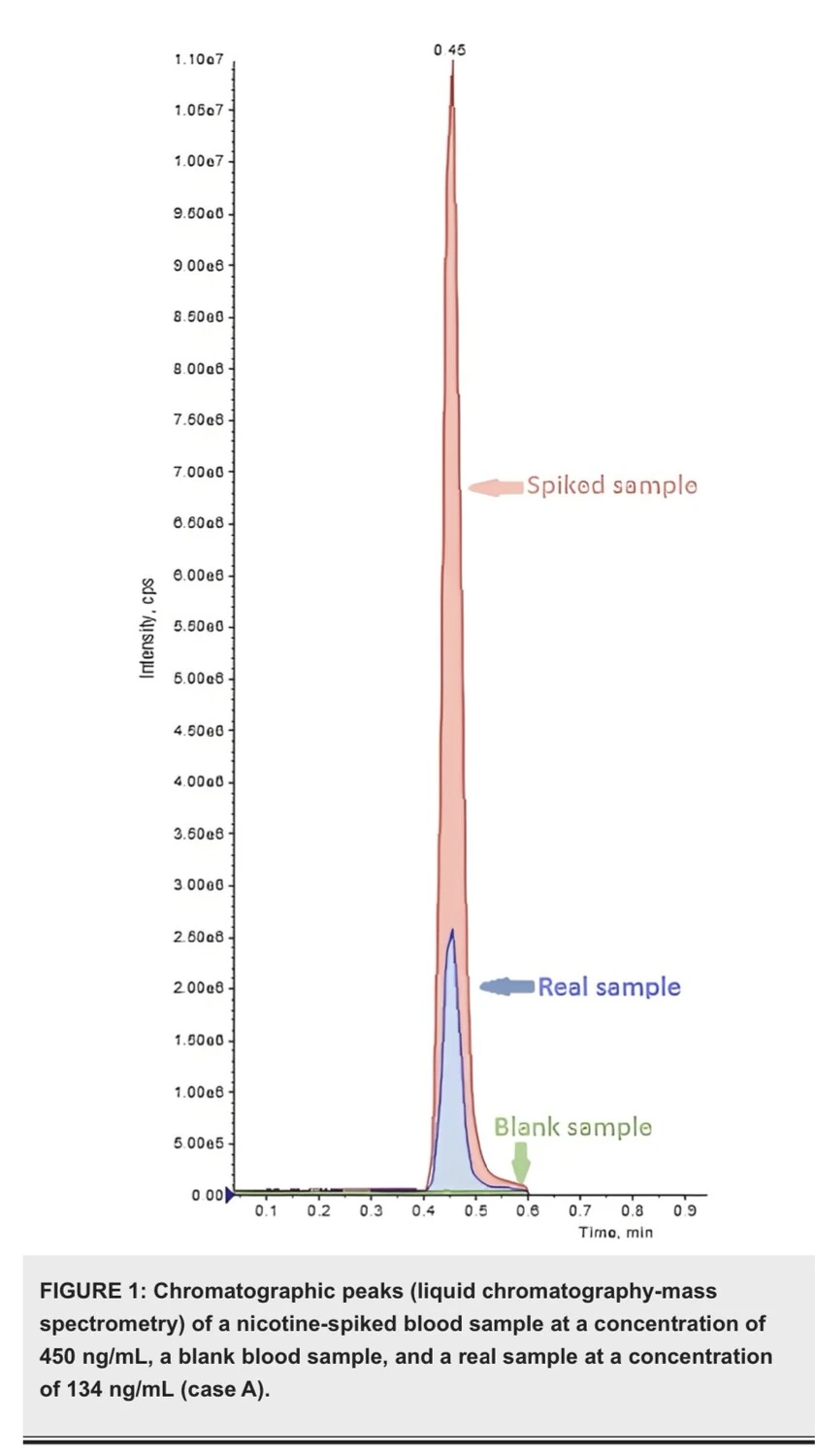 A 15-year-old boy and a 13-year-old girl were admitted to hospital in 2023 due to nicotine poisoning from pouch use. Both reported using nicotine pouches. Their initial symptoms were rapid heart rate, high blood pressure, dizziness and vomiting. In addition:
- The boy also suffered from vomiting, diarrhoea and tremor
- The girl also suffered from headache and a brief loss of consciousness
Their serum nicotine concentrations at hospital were 134 ng/mL and 266 ng/mL respectively. These are clinically significant levels requiring medical intervention. Both recovered after several hours of supportive therapy. The concept of harm reduction does not account for paediatric poisoning cases like these.
These real-world cases prove that harm reduction rhetoric does not protect adolescents. Without stronger regulation, more children will end up in emergency rooms.
Conclusions
The authors conclude:
“The widespread availability, appealing flavours, and aggressive marketing of these products contribute to the increasing use among adolescents, despite legal restrictions. Strengthening regulatory framework, enforcing age-related sales bans, and implementing targeted educational campaigns are essential to prevent misinterpretation of ‘reduced harm’ claims as ‘risk-free.”
When children are poisoned, the term harm reduction becomes dangerously misleading. Policymakers must act now to close loopholes that allow flavoured nicotine pouches to reach young people.
References
Expert Analysis on Harm Reduction and Nicotine Poisoning
Consult a Forensic Toxicology Expert
Cases involving paediatric nicotine poisoning are increasingly complex, especially with the rise of flavoured pouches marketed as “reduced harm.” With decades of experience at Toronto’s Centre of Forensic Sciences and more than 70 peer-reviewed publications, James Wigmore provides expert insight into nicotine toxicity, poisoning investigations, and public health policy.
Contact James Wigmore for Expert ConsultationClick here to discuss nicotine toxicology cases, research questions, or litigation support.
FAQs on Harm Reduction and Nicotine Poisoning in Youth
What is the main problem with harm reduction messaging for nicotine pouches?
Teens and parents may misinterpret "reduced harm" as "risk-free," leading to accidental poisoning in children and youth.
How many teens were hospitalized in the 2023 case report?
Two teens – a 15-year-old boy and a 13-year-old girl – were admitted to hospital with nicotine poisoning from pouch use.
What were their nicotine blood levels?
The boy had 134 ng/mL and the girl had 266 ng/mL. Both required several hours of supportive therapy to recover.
What symptoms did the 13-year-old girl experience?
Rapid heart rate, high blood pressure, dizziness, vomiting, headache, and a brief loss of consciousness.
What symptoms did the 15-year-old boy experience?
Rapid heart rate, high blood pressure, dizziness, vomiting, diarrhoea, and tremor.
What are the two phases of nicotine poisoning?
An initial stimulatory phase (15-60 minutes) with vomiting and hypertension, followed by a depressant phase (4-6 hours) with bradycardia, weakness, and potential cardiovascular collapse.
Why do nicotine pouches bypass the liver?
Absorption through the oral cavity avoids first-pass metabolism, allowing nicotine to enter the bloodstream more directly and remain in circulation longer.
What is the second most frequent tobacco product used by adolescents?
Nicotine pouches, after e-cigarettes.
What does Giketai et al. 2025 say about reduced harm claims?
The distinction between reduced harm and risk-free is crucial and must be central to legislative regulation and public health discussions.
What actions do the authors recommend?
Strengthening regulatory frameworks, enforcing age-related sales bans, and implementing targeted educational campaigns.
Recent News
Organophosphates? Sarin? Russian Nerve Agent? No- ...
Nicotine poisoning is a serious and often underestimated danger. Nicotine is the most toxic and...
Read More
Switching to E-Cigarettes Did not Prevent His Lung...
He quit smoking cigarettes in 2009 and switched to e-cigarettes, believing he had made a...
Read More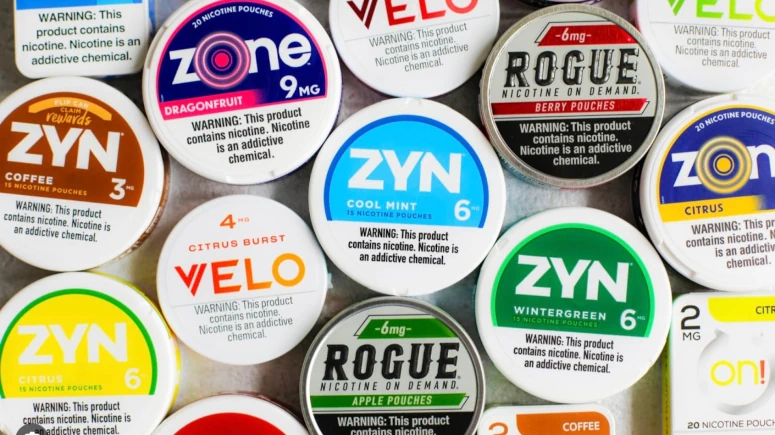
It is Not Harm Reduction When Children and Youth a...
Flavoured nicotine pouches are marketed as “reduced harm” for adults. But when a 13-year-old girl...
Read More
Nicotine as a Chemical Weapon?
E cigarette liquid nicotine is not just a vaping product—it is one of the most potent...
Read More