


Carbon Monoxide and Ghosts
Carbon monoxide(CO) has been an ancient, silent enemy of humans for thousands of years. Its exposure has caused countless deaths, injuries, mental health problems, paranoia, and hallucinations throughout history. Because the gas is invisible and produces no smell or irritation, people historically had no way to identify the danger around them.
The gas is a non-irritating, colourless, tasteless, odourless, poisonous, flammable gas produced by the incomplete combustion of carbon-containing fuels. These fuels include coal, wood, charcoal, gasoline, natural gas, and oil. When combustion occurs in poorly ventilated spaces, dangerous levels of carbon monoxide can accumulate quickly.
When inhaled, carbon monoxide binds to hemoglobin 200 to 300 times more strongly than oxygen. This forms carboxyhemoglobin and prevents oxygen from reaching the body’s tissues. The brain and heart are particularly vulnerable to this oxygen deprivation, known as hypoxia.
Symptoms of Carbon Monoxide Poisoning
Symptoms of poisoning include headache, fatigue, nausea, dizziness, confusion, seizures, coma, death. Chronic low-level carbon monoxide exposure can also produce personality changes, paranoia, delirium, and hallucinations. These neurological effects become important when examining historical reports of ghosts, spirits, and supernatural experiences.
When victims die from gas poisoning they often appear untouched, with no visible injuries or external causes of death. Before modern toxicology, this mysterious presentation frequently led people to attribute deaths to magic, witchcraft, curses, or supernatural forces.

Every society has ancient myths of demons who come on cold nights to take the lives of the young and elderly. Poorly ventilated charcoal fires lead to heart disease, mental health problems and death.
Guarnieri, 1999

Carbon Monoxide and Illuminating Gas
Coal gas, also known as illuminating gas, was widely used for lighting during the 19th century. It was produced through the destructive distillation of coal and contained large quantities of hydrogen and carbon monoxide, sometimes between 4 and 12 percent.
Gas lighting was revolutionary. It cost roughly one-fourth as much as candles or oil lamps and was easier to control. The first major installations appeared in theatres, including the Olympic Theater in 1815, and the technology quickly spread into homes, hotels, and businesses.
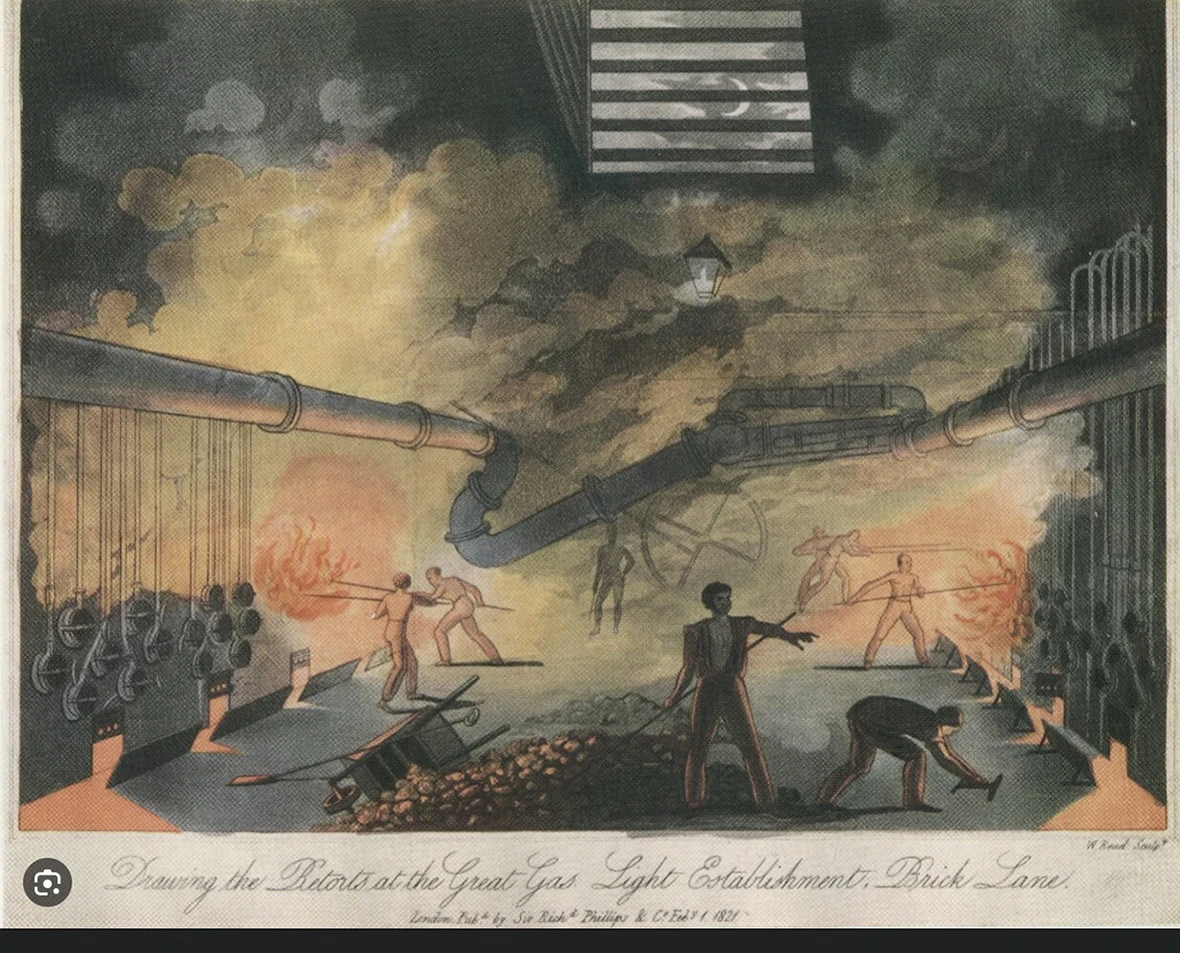
However, the system carried a hidden danger. These lighting networks pumped gas containing carbon monoxide directly into buildings. Even small cracks in pipes, valves, or lighting fixtures could release toxic gas into indoor air.
High concentrations of carbon monoxide could quickly cause death. Lower concentrations could cause disturbing psychological effects, including:
- Paranoia
- Hallucinations
- Feelings of dread
- Sleep disturbances
- Confusion
During Victorian times, low levels of carbon monoxide were almost everywhere due not only to illuminating gases but also coal fires, fireplaces, stoves, and furnaces. Indoor air quality in many buildings was extremely poor by modern standards.
Some historians believe that Charles Dickens may have experienced the chronic effects of carbon monoxide exposure during his lecture tour of the Americas, as the theatres where he read were illuminated by coal gas.
Modern natural gas has largely replaced coal gas and contains virtually no carbon monoxide unless gas appliances malfunction or operate in poorly ventilated areas.
Carbon Monoxide and the “Haunted House” Phenomenon
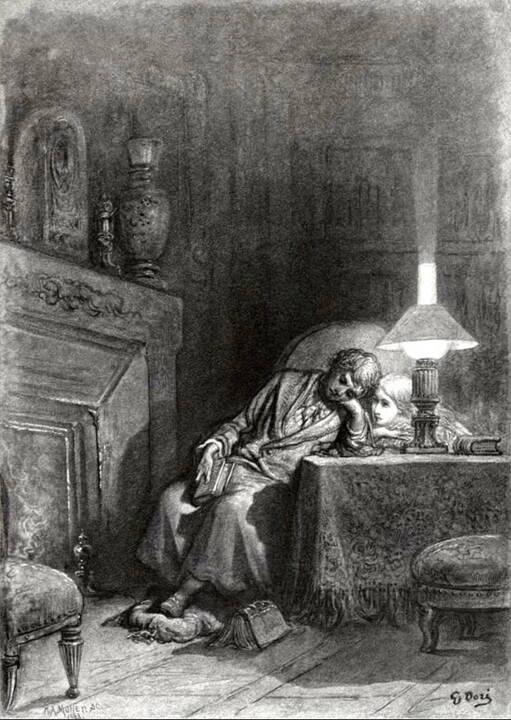 Reports of haunted houses were surprisingly common during the late 19th and early 20th centuries. One well-documented case was investigated by Franz Schneider Jr. in 1913 in Boston’s Back Bay district.
Servants and children sleeping on the upper floors of a large house reported strange and frightening experiences for several months. Many described waking during the night with sensations of pressure, creeping feelings across the body, or temporary paralysis.
Others reported hearing footsteps or movements in the house when no one was present. Several children described vivid hallucinations, including the sensation that someone was lying on them or attempting to wake them.
In the mornings the children appeared pale, sluggish, and unwell, classic signs of chronic gas exposure.
Schneider investigated the house and discovered the real cause. A severely defective hot-air furnace was leaking combustion gases into the building’s air ducts rather than venting them outside. These furnace gases contained carbon monoxide and were contaminating the indoor air.
He concluded that the reputation of the house as haunted likely arose from genuine sensations and hallucinations caused by breathing a contaminated atmosphere during sleep.
Carbon Monoxide and Gothic Horror
Another possible cultural influence of widespread carbon monoxide exposure may be seen in the popularity of Gothic horror literature during the Victorian and Edwardian periods.
One of the greatest writers of this genre was Edgar Allan Poe, who lived from 1809 to 1849. Poe wrote haunting psychological stories such as The Fall of the House of Usher and The Tell-Tale Heart.
These works often focus on paranoia, dread, hallucinations, and psychological instability. Interestingly, these themes closely resemble many of the neurological effects associated with chronic carbon monoxide exposure.
During Poe’s lifetime, coal gas lighting was commonly used in homes and public buildings. As a result, many people—including writers—may have experienced long-term exposure to low levels of carbon monoxide.
While it cannot be proven, some historians speculate that environmental conditions of the time may have influenced both the themes and psychological intensity of Gothic horror literature.
What the “Ghosts” Might Actually Be Saying
People often assume that ghosts appear to deliver messages from the afterlife. However, there may be a far more practical explanation.
If strange sensations, hallucinations, or unexplained dread occur inside a building, the message may actually be a warning of carbon monoxide exposure.
In such situations, the safest response is simple: leave the building immediately and seek fresh air.
Even today, faulty furnaces, blocked vents, or malfunctioning appliances can produce gas leaks inside homes.
Conclusion
Carbon monoxide has had a much greater influence on human history than most people realize. From early cave fires to Victorian gas lighting, humans have long lived alongside this invisible and deadly gas.
Chronic exposure may have contributed to reports of haunted houses, supernatural visions, and even the themes that shaped Gothic horror fiction. Many mysterious deaths in poorly ventilated spaces may also have been the result of carbon monoxide poisoning.
Understanding carbon monoxide helps separate myth from science—and reminds us that sometimes the scariest threats are the ones we cannot see.
…all of us would have been dead in a few minutes by carbonic oxide gas poisoning generated by the presence of burning coal in a closed room and the laymen would have ascribed our deaths to ghosts and legends of haunted houses.
Banerjee, 1902
References
- Turner, M., “Edgar Allan Poe and CO: The Dangers of Carbon Monoxide Poisoning”, Catalyst, 4pp, December 11, 2019
- Ashcroft, J.E., et al. “Carbon Monoxide Poisoning”, BMJ, 365: 6pp, 2019
- Schneider Jr., F. “An Investigation of a Haunted House”, JAMA., 60: 1883-1884, 1913
- Abbott, S.W., “Poisoning by Carbon Monoxide”, Public Health, 562-563, 1902
Learn More About Carbon Monoxide
Explore the Science Behind the Silent Killer
Carbon monoxide has shaped human history in ways most people never realize—from mysterious deaths to unexplained hallucinations and haunted house legends. If you want to explore the science, toxicology, and real-world cases behind this invisible threat, discover the research in Wigmore on Carbon Monoxide.
Get the BookUnderstanding carbon monoxide can help protect lives and separate myth from science.
Carbon Monoxide: FAQs
What is carbon monoxide?
Carbon monoxide is a colourless, odourless, poisonous gas produced by incomplete combustion of fuels such as coal, wood, gas, and gasoline.
Why is carbon monoxide called the silent killer?
It cannot be seen, smelled, or tasted, allowing dangerous levels to build up without warning.
Can carbon monoxide cause hallucinations?
Yes. Chronic exposure can cause neurological symptoms including confusion, paranoia, and hallucinations.
Why were haunted houses common in the Victorian era?
Coal gas lighting and coal-burning heating systems produced carbon monoxide, which may have caused hallucinations and strange sensations.
What are early symptoms of carbon monoxide poisoning?
Headache, dizziness, nausea, fatigue, and confusion are common early signs.
Can carbon monoxide poisoning occur while sleeping?
Yes. Many victims are exposed during sleep because faulty heating systems release carbon monoxide overnight.
How can homes prevent carbon monoxide poisoning?
Install carbon monoxide detectors and ensure heating systems and fuel-burning appliances are properly maintained.
Recent News
Carbon Monoxide and Ghosts
Carbon monoxide(CO) has been an ancient, silent enemy of humans for thousands of years. Its...
Read More
Nicotine as a Chemical Weapon?
E cigarette liquid nicotine is not just a vaping product—it is one of the most potent...
Read More
Impaired Driving Cases: Rats Don’t Drive
Impaired driving prosecutions require expert testimony grounded in human physiology, not animal studies. Occasionally humour...
Read More
Is Vaping Safe, or is It Just Bait and Switch from...
The pressing health question for our time—is vaping safe?—takes centre stage at the Toronto Public...
Read More