


CO- The Ancient, Silent Killer Does not Take Vacation
The silent killer carbon monoxide is one danger most travellers never expect to encounter while on vacation. Yet every year, tourists around the world die from exposure to this invisible gas in hotel rooms, guest houses, vehicles, and even outdoor shelters. Because carbon monoxide has no smell, taste, or colour, victims often have no warning that danger is present until symptoms become severe.
Carbon monoxide poisoning continues to cause thousands of deaths globally. When people travel internationally, the risk can increase due to unfamiliar buildings, poorly maintained heating systems, or the absence of carbon monoxide detectors. Understanding how the silent killer behaves—and how to protect yourself—can make the difference between a safe trip and a tragic outcome.
Why Carbon Monoxide Is Called the Silent Killer
Carbon monoxide is an invisible, silent, tasteless, odourless, and non-irritating toxic gas. It binds to hemoglobin in the blood and prevents oxygen from reaching vital organs, particularly the brain and heart.
Because people cannot see or smell it, carbon monoxide poisoning can develop without warning. This is why it is widely known as the silent killer.
When carbon monoxide enters the body, it attaches to hemoglobin much more strongly than oxygen does. This creates carboxyhemoglobin and blocks oxygen transport throughout the body. The resulting oxygen deprivation can lead to serious symptoms and eventually death.
Common symptoms include:
- Headache
- Dizziness
- Fatigue
- Nausea
- Confusion
- Loss of consciousness
Unfortunately, early symptoms are often mistaken for jet lag, fatigue, or illness, particularly during travel.
Carbon monoxide can also behave almost like a “will o’ the wisp,” travelling a considerable distance from its source. A malfunctioning gas fireplace, damaged furnace flue, or faulty water heater can release carbon monoxide that spreads throughout a building.
Even a strong wind storm can damage venting systems and allow carbon monoxide to accumulate indoors.
Real Travel Deaths Caused by the Silent Killer
Carbon monoxide poisoning during travel is not rare. Multiple documented cases involving international tourists demonstrate how easily the silent killer can strike in unfamiliar environments.
Travellers usually expect relaxation and safety while exploring new destinations. However, carbon monoxide hazards exist everywhere—from large cities to remote mountain regions. Unfamiliar buildings, poorly maintained heating systems, and missing carbon monoxide detectors can create dangerous conditions without warning.
- A young Irish tourist traveling in Argentina died of CO poisoning from a lit stove in his room
- An American professional football player died from CO from a faulty water heater in Prague
- Two Chinese tourists died in Kathmandu caused by a malfunctioning hotel room heater
- A elderly American tourist died in a Rome guest house due to a malfunctioning radiator
- A Canadian tourist died of CO from a natural gas water boiler in an illegal hostel in Taipei
These tragedies occurred in different countries, different types of accommodation, and under different circumstances. What they share in common is the presence of carbon monoxide and the absence of warning.
The silent killer does not take vacation, and it does not discriminate between homes, hotels, vehicles, or outdoor shelters. For travellers, this highlights how important awareness and prevention can be.
The Science Behind the Silent Killer
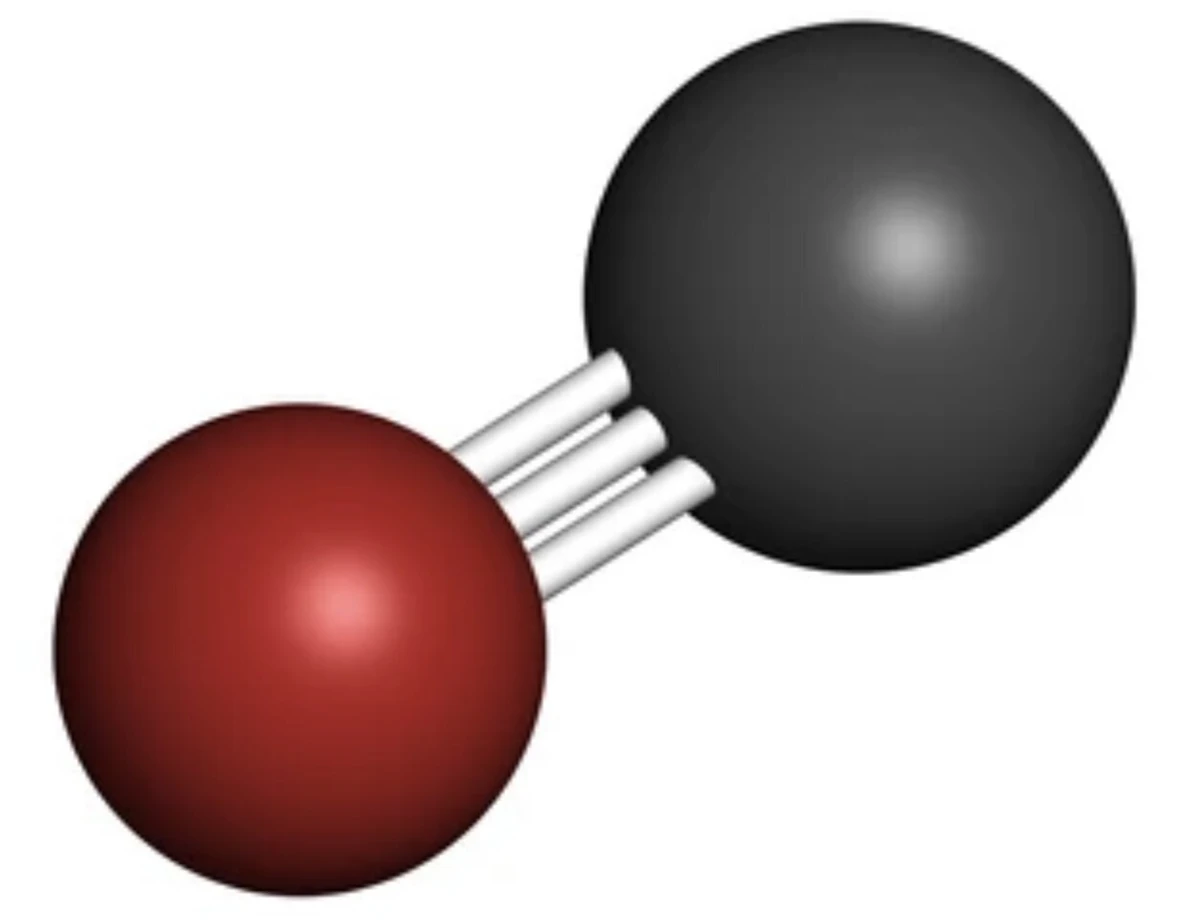 Carbon monoxide is a small molecule composed of one carbon atom bonded to one oxygen atom. Despite its simplicity, it contains one of the strongest triple covalent bonds found in small molecules.
This chemical stability allows carbon monoxide to remain present in enclosed environments where fuel-burning appliances are used.
Once inhaled, carbon monoxide interferes with oxygen transport in the blood. The brain and heart are particularly sensitive to this oxygen deprivation.
In high concentrations, carbon monoxide can cause unconsciousness within minutes. At lower levels, exposure can produce headaches, fatigue, confusion, and impaired judgement, which may prevent victims from recognizing the danger.
Silent Killer Travel Safety Tips
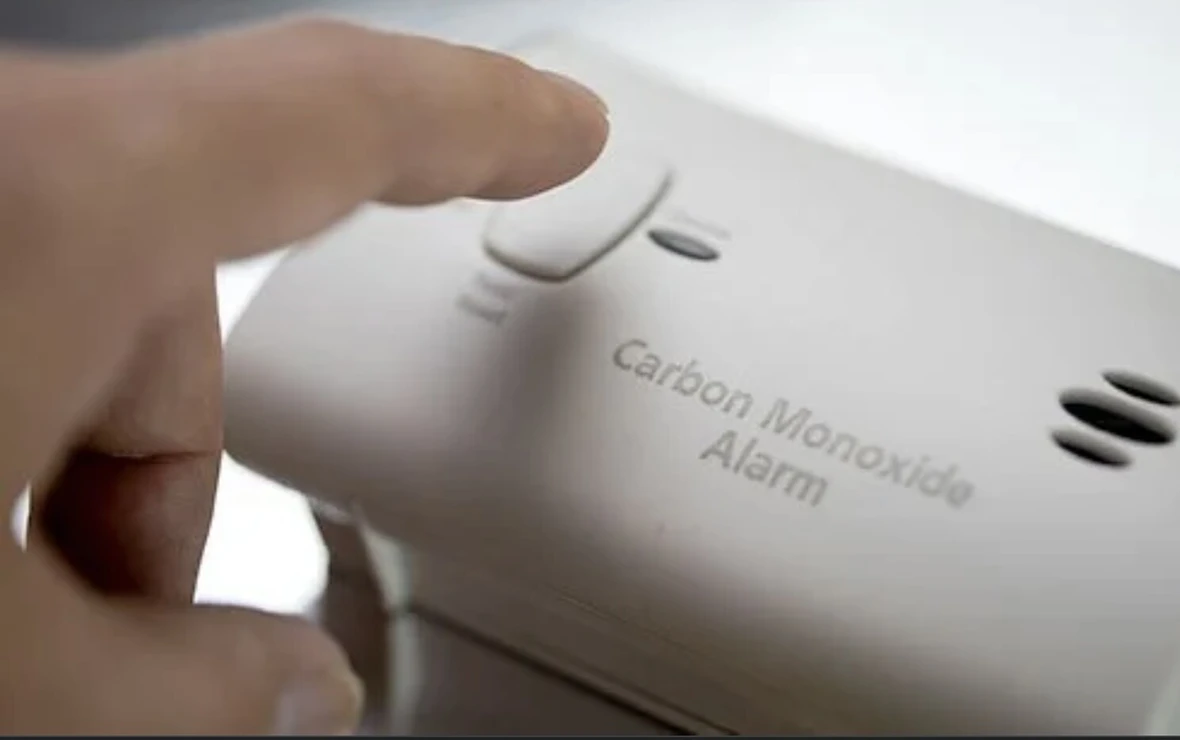 Research by Long and Flaherty (2017) provides several practical recommendations that can help travellers reduce their risk of carbon monoxide exposure.
General Travel Tips
- Carry a portable carbon monoxide detector
- Open vehicle windows when driving in heavy traffic
- Monitor air pollution levels in destination countries
- Avoid prolonged time in poorly ventilated areas such as tunnels
Portable detectors are particularly valuable because many accommodations worldwide still do not have installed carbon monoxide alarms.
Accommodation Safety Tips
Many travel-related carbon monoxide poisonings occur inside hotels, hostels, or guest houses where heating or water systems malfunction.
Before settling into a room, travellers should consider several precautions.
- Check for carbon monoxide detectors in guest rooms or nearby hallways
- Avoid rooms located near heavy machinery or mechanical equipment
- Avoid rooms located above boiler rooms
- Ensure the air-conditioning intake is not near exhaust vents
- Keep the room ventilated by opening windows when possible
Even well-maintained accommodations can experience ventilation failures or equipment breakdowns.
Outdoor and Adventure Safety Tips

One does not expect death due to toxic fumes in a pristine wilderness setting, yet this case illustrates the extreme hazard that can occur when CO is allowed to accumulate in any close space.
Foutch and Henrichs, 1988

Opening tents flaps, doors, or windows is insufficient to prevent build-up of CO concentrations from these devices.
Wheeler at al, 1999
Carbon monoxide exposure is also possible during outdoor travel and adventure activities.
Caves, tents, and snow shelters can trap gases easily, especially when fuel-powered equipment is used for cooking or heating.
Important precautions include:
- Avoid using gas-powered equipment inside caves
- Exercise caution when operating gas stoves in tents
- Ensure proper ventilation when using any fuel-burning device
- Never store recently used barbecues inside tents or caves
- Avoid extended cooking or melting sessions in enclosed snow shelters
- Use smaller pans and maintain a steady blue flame when cooking
- Leave an opening in snow caves so carbon monoxide can escape
These simple steps can significantly reduce the risk of carbon monoxide buildup in confined outdoor environments.
Conclusion
Carbon monoxide poisoning remains a real but preventable risk for travellers worldwide. Because the gas is invisible and odourless, awareness is the most powerful protection.
Simple precautions—such as checking accommodations for detectors and carrying a portable carbon monoxide alarm—can dramatically reduce risk.
A vacation should create lasting memories for the right reasons, and understanding the silent killer helps ensure travellers return home safely.
Reference
Protect Yourself from the Silent Killer
Go Deeper with Expert Insight on Carbon Monoxide
Carbon monoxide poisoning remains one of the most overlooked yet deadly risks—especially during travel. While awareness can save lives, true protection comes from understanding how exposure occurs, how it is investigated, and how risks can be prevented in real-world situations.
In Wigmore on Carbon Monoxide, forensic toxicologist James Wigmore explores the science, real case studies, and critical safety insights behind this invisible threat—equipping readers with knowledge that can help prevent tragedy.
Get Your Copy of Wigmore on Carbon MonoxideDiscover the science, cases, and prevention strategies behind carbon monoxide exposure—order your copy today and stay informed wherever you travel.
Silent Killer: FAQs
What is the silent killer gas?
Carbon monoxide is called the silent killer because it is colourless, odourless, and can poison people without warning.
Why is carbon monoxide dangerous during travel?
Travellers may stay in unfamiliar buildings where heating systems are poorly maintained or detectors are not installed.
What are early symptoms of carbon monoxide poisoning?
Early symptoms include headache, dizziness, nausea, fatigue, and confusion.
Should travellers carry carbon monoxide detectors?
Yes. Portable battery-powered detectors provide an extra level of protection when travelling.
Can carbon monoxide poisoning happen outdoors?
Yes. It can occur in tents, caves, snow shelters, or other enclosed spaces where fuel-burning equipment is used.
Why are snow caves risky for carbon monoxide?
Snow caves trap gases easily and limit ventilation, allowing carbon monoxide to accumulate quickly.
How can accommodations prevent carbon monoxide poisoning?
Hotels and guest houses should install detectors and maintain heating and ventilation systems properly.
Recent News
CO- The Ancient, Silent Killer Does not Take Vacat...
The silent killer carbon monoxide is one danger most travellers never expect to encounter while...
Read More
This Headache Cannot be Treated with Aspirin- Bewa...
A severe, persistent headache at work might seem routine, but in warehouses, it can signal...
Read More
Carbon Monoxide and Ghosts
Carbon monoxide(CO) has been an ancient, silent enemy of humans for thousands of years. Its...
Read More
Nicotine as a Chemical Weapon?
E cigarette liquid nicotine is not just a vaping product—it is one of the most potent...
Read More