


I Don’t Suppose You Have Any Original References?
One question in court changed everything. The answer? Three original studies on forensic science toxicology that demolished a NHL star’s defence.

Speak softly but carry a lot of original references
James Wigmore, 2007

The Fatal Collision
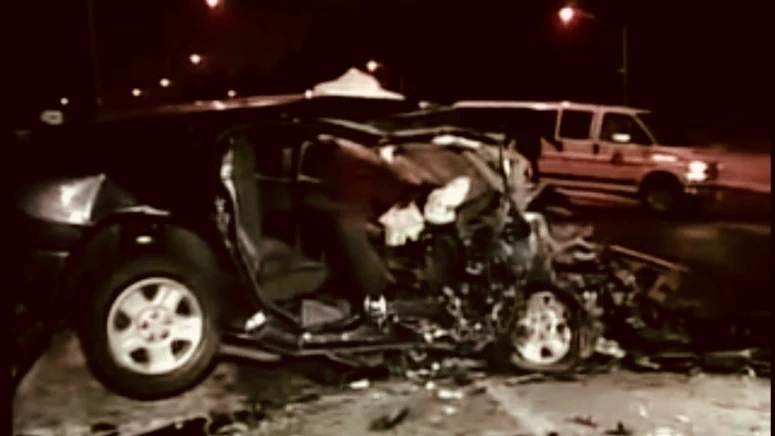
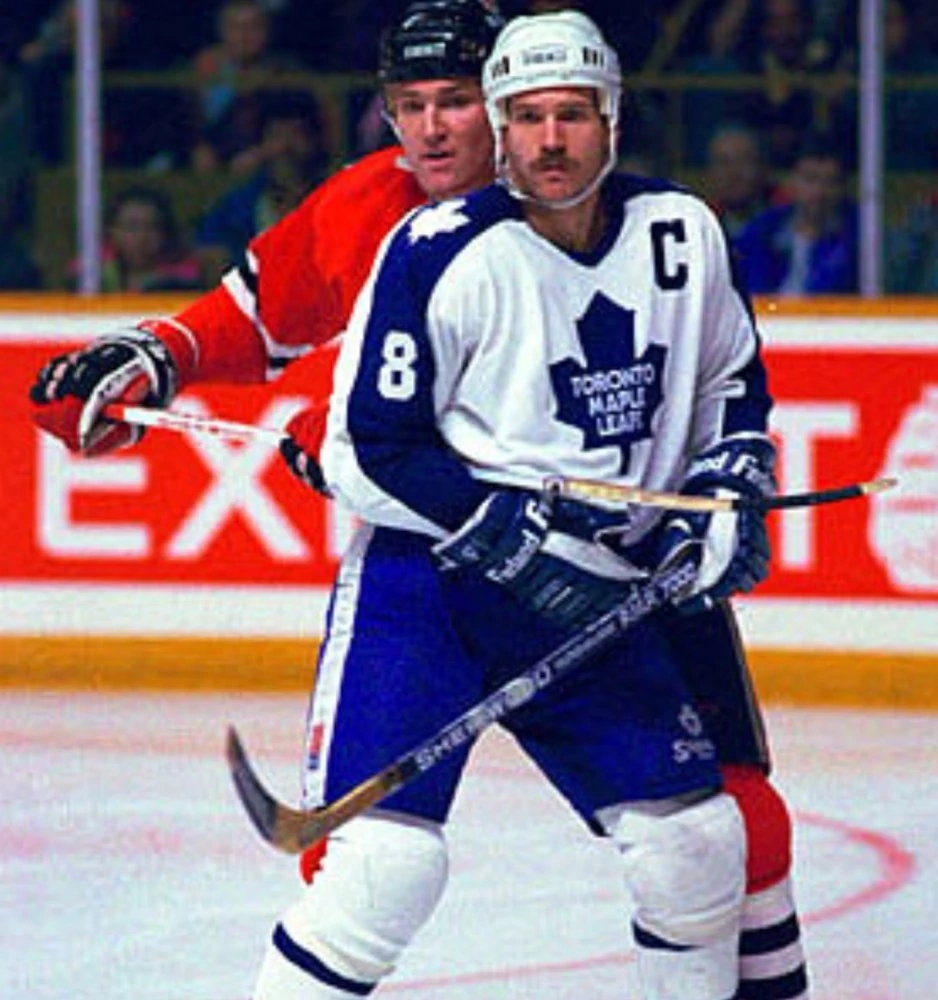
At 5:00 pm on December 15th, 2003, Rob Ramage, a former NHL Captain of the Toronto Maple Leafs, drove his rented car, “like a rocket”, across three lanes and onto on-coming traffic on Rutherford Road. His passenger Keith Magnuson, a former NHL Black Hawks player, was killed and the driver of the other car received relatively minor injuries. The police detected a strong odour of an alcoholic beverage and signs of alcohol intoxication in Ramage.
Forensic Science Toxicology: The Critical Evidence
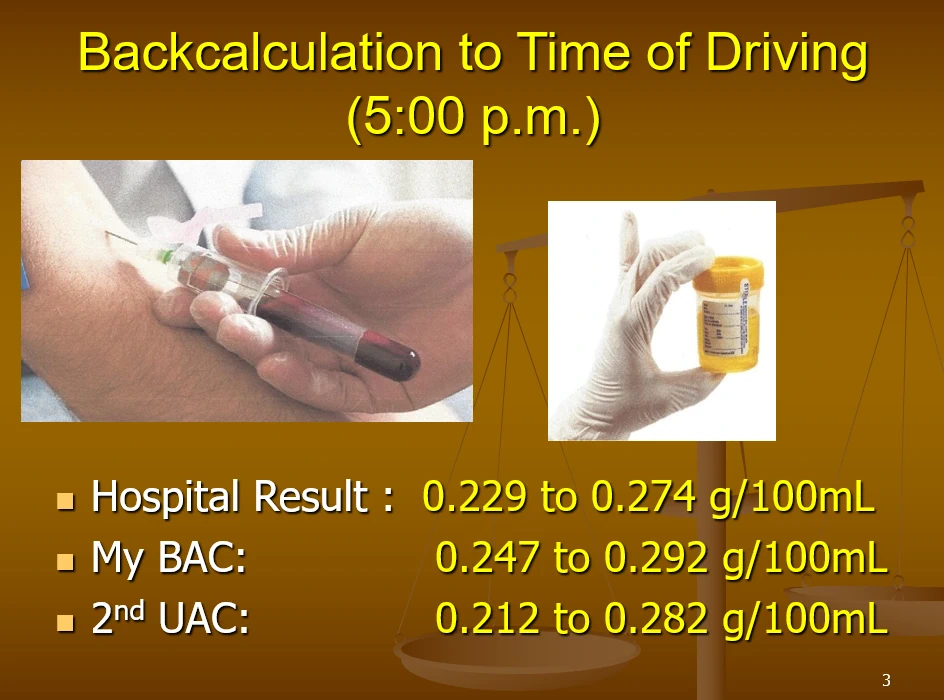 At 7:28 pm, a blood sample was collected for hospital purposes, which was later seized and analyzed for alcohol by me at the Centre of Forensic Sciences in Toronto. Urine samples were collected at 8:54 pm and 10:38 pm. The alcohol results as determined by headspace GC were:
- Hospital BAC = 224 mg/100 mL
- CFS BAC = 242 mg/100 mL
- 1st UAC = 282 mg/100 mL
- 2nd UAC = 237 mg/100 mL
These results formed the backbone of the forensic science toxicology case against Ramage. The consistent elevation across blood and urine samples pointed clearly to significant alcohol impairment at the time of the crash.
Court Case
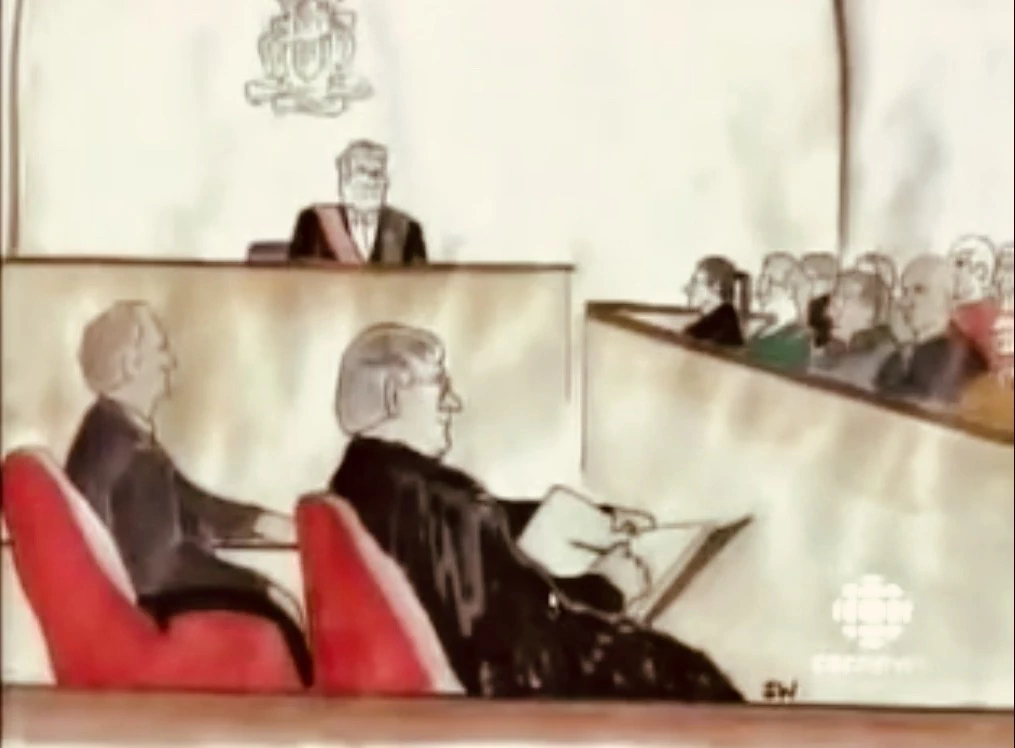 On September 11th, 2007, the case finally went to trial with a jury in Newmarket Superior Court presided by Justice Alexander Sosna. Ramage had engaged one of the top criminal lawyers in Canada, Brian Greenspan, and pled not guilty to impaired driving causing death and bodily harm and dangerous driving causing death and bodily harm. The stakes could not have been higher. The central question for the jury would hinge on forensic science toxicology evidence: were the blood alcohol concentrations accurate and reliable?
Alcohol Swabs: The Defence Strategy
Since I had analyzed the blood and urine alcohol results at the Centre of Forensic Sciences in 2003, I was required to testify in 2007, two years after I retired. One of the main defence technical arguments was that the blood I analyzed and the hospital blood were contaminated by the alcohol swab used at the hospital to collect the sample.
Previously the ER nurse who took the sample testified that she used a 70% ethyl alcohol swab to collect the blood sample. This was unexpected, as all the hospital swabs I had in my 30-year career were isopropyl alcohol. Using headspace GC, isopropyl alcohol contamination could be easily detected, but not potential ethyl alcohol contamination. This was a clever forensic science toxicology challenge that required expert knowledge to refute.
After I testified as to the reliability of the BACs and UACs, and how extremely unlikely any ethyl alcohol contamination would have occurred, a recess was called by the defence. This moment demonstrated how forensic science toxicology can withstand even the most aggressive defence tactics when built on sound methodology and primary research.
One Too Many Questions
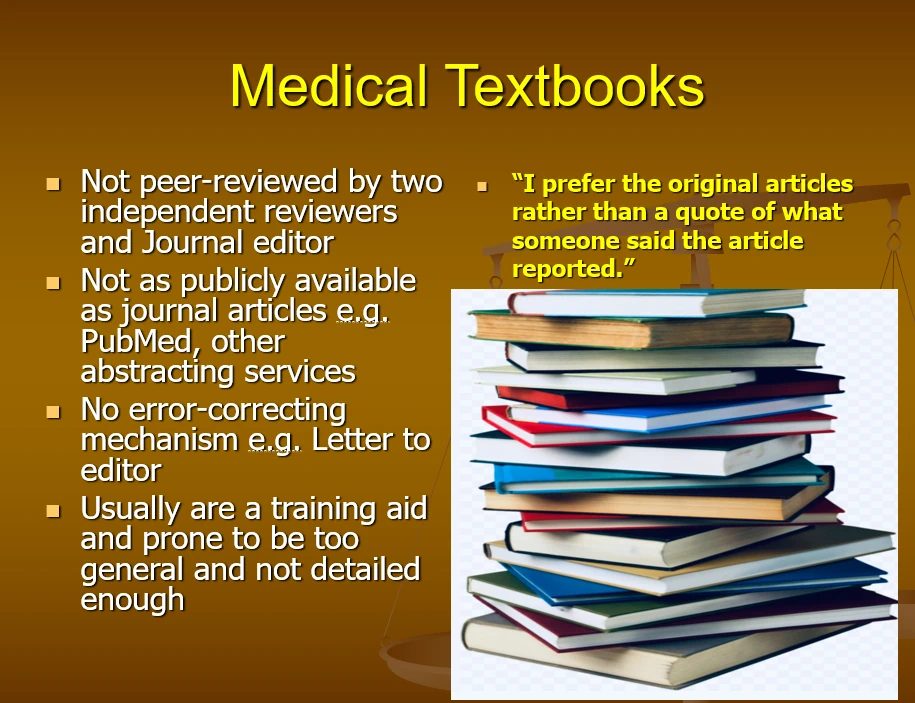 When I returned to the stand, there was a stack of what appeared to be medical textbooks on the defence table, which I thought were there perhaps to try to intimidate me and impress the jury. But I was in the midst of writing Wigmore on Alcohol 1e, and so I was well prepared in forensic science toxicology and primary source research.
Whenever Brian Greenspan tried to cross-examine me by citing from a medical textbook, I would reply that medical textbooks only cite papers and are secondary sources, and that we should discuss the original papers themselves.
Each time the defence tried to quote from another medical textbook, I would say that I would prefer to discuss the original or primary sources first. One could tell Mr. Greenspan was getting frustrated. He finally blurted out:
“I don’t suppose you have any original studies?”
I told him that as a matter of fact I did and reached into my briefcase for 3 original studies on alcohol swabs that I had copied in quadruplicate. Brian Greenspan looked shocked for a split second and then called a recess.
Problems with medical textbooks in forensic science toxicology:
- Not peer-reviewed by two independent reviewers and a journal editor
- Not as publicly available as journal articles (e.g., PubMed, other abstracting services)
- No error-correcting mechanism (e.g., letter to the editor)
- Usually are a training aid and prone to be too general and not detailed enough
When I returned, all the medical textbooks had been removed. I was asked several more questions, then I was excused to go. The papers I relied upon are listed in the references. The trial continued and I thought Paul Tait, the prosecutor, gave a good summation: “The prosecutor reminded the jury that the rule of law applies equally to everyone including NHL players.”
Once again, however, a professional athlete gets caught in the act and somehow ends up being the victim in the minds of many. That is another tragedy.
J. Berkovich, eSports, October 11th, 2007
Conclusion
The jury found Rob Ramage guilty on all counts and he was sentenced to 4 years in jail. The conviction and sentence were upheld on appeal. This case remains a landmark example of why primary sources matter in forensic science toxicology.
References
- Heise, H.A., “How Extraneous Alcohol Affects the Blood Test for Alcohol. Pitfalls to be Avoided When Withdrawing Blood for Medicolegal Purposes”, Am. J. Clin. Pathol, 32: 169-170, 1959
- Malingre, M., Veners, T., Bos, S., et al. “Alcohol Swabs and Venipuncture in a Routine Hospital Setting: No Effect on Blood Ethanol Measurement”, Therap. Drug Monitor., 27: 403-404, 2005
- McIvor, R.A., and Cosbey, S.H., “Effect of Using Alcoholic and Non=Alcoholic Skin Cleansing Swabs When Sampling Blood for Alcohol Estimation Using Gas-Chromatography”, Brit. JH. Clin. Prac., 44: 235-236, 1990
- Miller, M.A., Rosin, A., Levsky, A., et al. “Isopropyl Alcohol Pad Use for Blood Ethanol Sampling Does Not Cause False-Positive Results.”, J. Emerg. Med., 33: 9-10, 2007
Expert Analysis on Forensic Science Toxicology
Consult a Forensic Toxicology Expert
Cases involving alcohol impairment, post-crash toxicology, and evidentiary challenges require deep expertise in primary source research. With decades of experience at Toronto’s Centre of Forensic Sciences and more than 70 peer-reviewed publications, James Wigmore provides expert insight into BAC analysis, contamination issues, and courtroom preparation for legal and public health contexts.
Contact James Wigmore for Expert ConsultationClick here to discuss toxicology cases, research questions, or litigation support.
FAQs on Forensic Science Toxicology and Crash Case
What is the main lesson from this forensic science toxicology case?
Always rely on primary sources (original peer-reviewed studies) rather than medical textbooks, which are secondary sources prone to errors and generalizations.
What was the defence's main argument about alcohol swabs?
The defence claimed the blood sample was contaminated by the 70% ethyl alcohol swab used by the ER nurse, which could have artificially inflated the BAC results.
Why was the alcohol swab argument problematic for the defence?
Hospital swabs in Wigmore's 30-year career were always isopropyl alcohol, which is easily detected by headspace GC. Ethyl alcohol contamination was extremely unlikely.
How many original studies did James Wigmore have in his briefcase?
He had 3 original studies on alcohol swabs, copied in quadruplicate, ready to present in court.
What were the BAC results in the Ramage case?
Hospital BAC was 224 mg/100 mL and CFS BAC was 242 mg/100 mL – both well above the legal limit.
What sentence did Rob Ramage receive?
He was sentenced to 4 years in jail. The conviction and sentence were upheld on appeal.
Why are medical textbooks problematic in forensic science toxicology?
They are not peer-reviewed like journals, lack error-correcting mechanisms, are often too general, and only cite secondary interpretations of original research.
What is the famous quote from James Wigmore about this case?
"Speak softly but carry a lot of original references."
Recent News
AI Cross-Examines an Expert and Goes to a Cocktail...
Artificial Intelligence is everywhere these days – writing articles, generating images, and even suggesting courtroom...
Read More
ALL RISE! The Supreme Court of Canada and the Two ...
The two beer defence – also known as the Carter defence – was a legal strategy used...
Read More
Earthquake!
Listen, Understand, Consider, Answer, Shut-up. The Doug Lucas approach to answering questions in court. When...
Read More
The Top Criminal Lawyer is not Necessarily the Bes...
A good DWI lawyer needs specific technical knowledge, not just a famous name. The rarefied...
Read More