


Will o’ The Wisp
The field of forensic sciences has evolved dramatically over the past century, but some of its most fascinating cases come from an era before modern technology. In the early 1960s, forensic sciences were still developing as a discipline, yet skilled practitioners were already solving mysteries that would have baffled earlier generations. Carbon monoxide – a colourless, odourless killer – presented unique challenges for forensic sciences because of its unpredictable behaviour.
As my mentor Doug Lucas once said, “CO is a will o’ the wisp.” This elusive quality of carbon monoxide created two remarkable cases in 1960 and 1961 that demonstrated the power of forensic sciences to uncover the truth. Without the application of forensic sciences, one case would have been blamed on supernatural forces, and an innocent man would likely have been convicted of murder.

- a pale flame or phosphorescence sometimes seen over marshy ground at night, it is believed to be due to the spontaneous combustion of methane or other hydrocarbon originating from decomposing organic matter
- a person or thing that is elusive or allures and misleads.
Collins Dictionary, definition of Will o' the Wisp

Carbon Monoxide
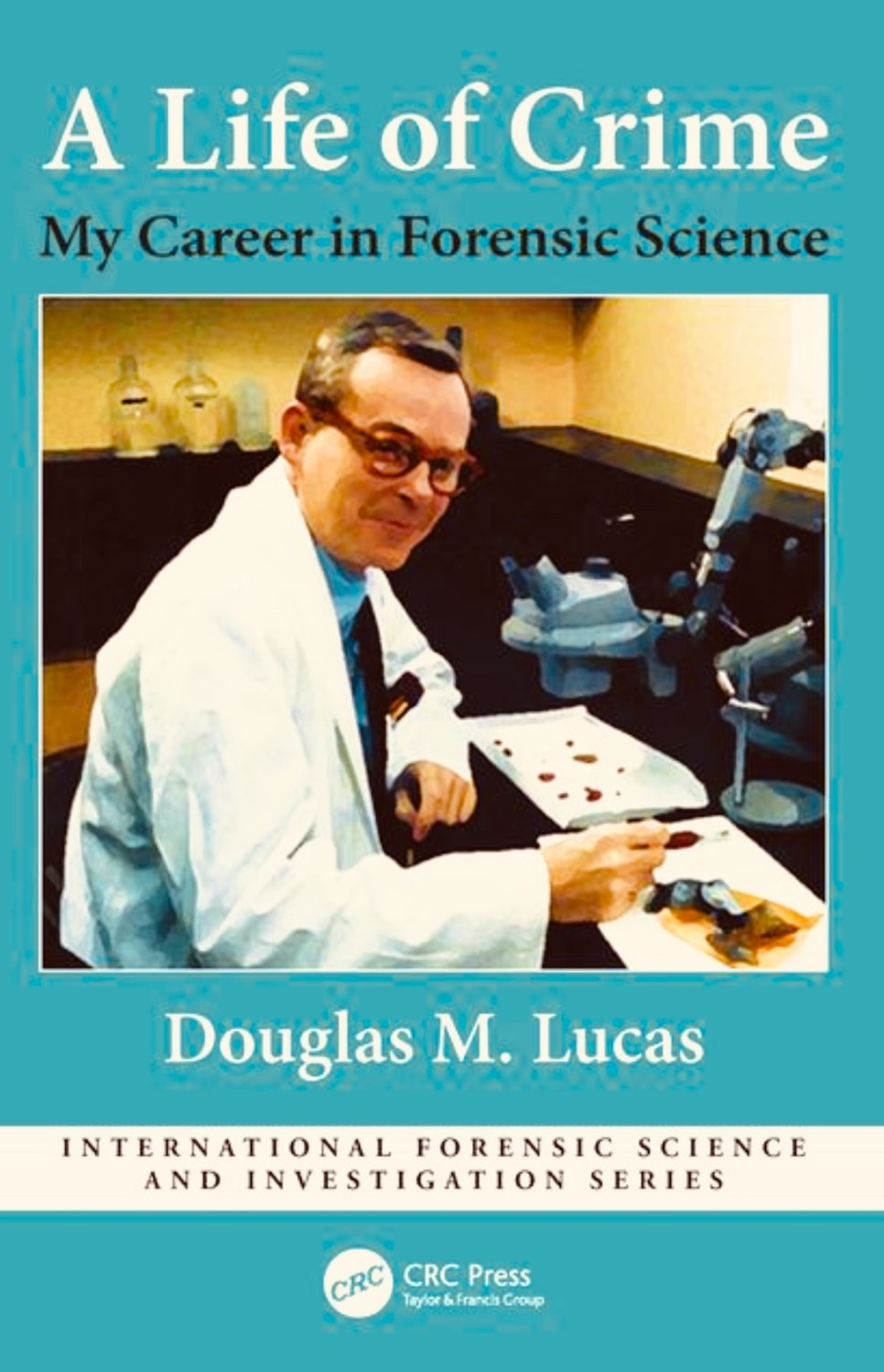 “CO is a will o’ the wisp.” said Doug Lucas, my mentor and retired director of the Centre of Forensic Sciences. “Because CO is a small, light molecule with almost the same density as air, its distribution is subject to the movement of ambient air such as drafts, wind and air currents. This property can cause great variations in its concentration over short distances. This in turn can create considerable confusion in cases where- for example- two people are found in relatively close proximity with one dead from CO poisoning and the other only slightly affected.”
Fortunately Dr. Doug Lucas has published 2 early case reports that illustrate the difficulties with CO poisoning, in his book, “A Life of Crime: My Career in Forensic Science.”
Canary in a Coal Mine?
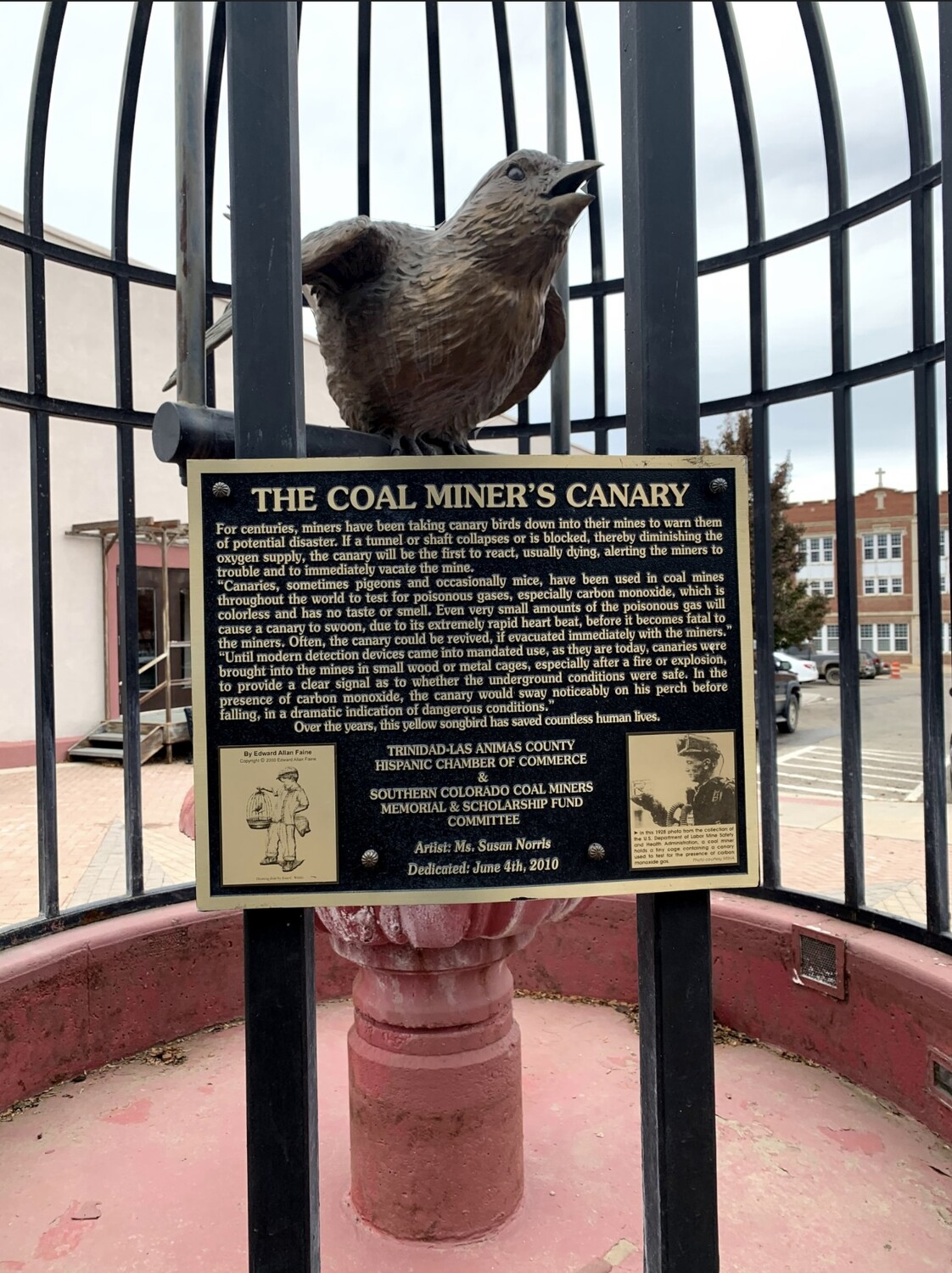
Before modern gas detectors, canaries had been used to detect toxic gases (mainly CO) in coal mines in Britain. Due to their high metabolism and respiration, the canaries would be affected by poisonous gases much earlier than miners, and fall off their perches.
Imagine Lucas’ surprise when he attended at an old house on Manning Ave in Toronto in June 1960, in which the CO from a defective gas furnace had caused the death of a middle age man, but there was a canary in the same room in a cage, singing merrily away. Lucas’ ambient CO measurements showed that there was a lethal concentration of CO in the air everywhere in the room except near the bird cage. He found that there was a tiny hole in the window beside the bird cage which allowed fresh air to the canary, thus saving its life.
Homicide, Suicide or Accidental?
 In another case in a small town in southwestern Ontario in February 1961, a man telephoned to ask for assistance because his wife who was sleeping beside him was unconscious. By the time the police arrived, the wife was dead but he appeared unaffected. Of course in a small community the rumours started spreading that he had murdered his wife. The cause of death, however, was due to CO poisoning as a result of a defective water heater. Lucas again used his CO detector and found that the air around the wife’s pillow had a high CO concentration, but around the husband’s pillow, the CO concentration was virtually negligible.
This was due to a current of fresh air from a ill-fitted window drifting over his side of the bed and not hers.
Conclusion
CO is a will o’ the wisp and can appear in the strangest of places. Without modern forensic science and the skill of its practitioners, these 2 cases would have been explained as due to witchcraft or the supernatural. The husband in the second case would probably have been convicted of murder of his wife, or else some poor old, isolated woman would have been blamed for her death, convicted of being a witch, and burned at the stake.
References
Contact a Forensic Sciences Expert with Decades of Experience
Consult Canada's Leading Forensic Toxicologist
James Wigmore has spent 50 years in the forensic sciences, testifying in over 700 criminal cases and authoring definitive texts on alcohol, cannabis, and carbon monoxide toxicology. As a colleague and mentee of Doug Lucas, he brings a wealth of experience to forensic investigations and courtroom testimony.
Contact James Wigmore TodayPut 50 years of forensic sciences expertise on your side. Reach out now for expert consultation.
FAQs on Forensic Sciences and CO Poisoning Cases
What is a "will o' the wisp"?
A pale flame sometimes seen over marshy ground, or a person or thing that is elusive and misleads. Doug Lucas used this term to describe carbon monoxide.
Why did Doug Lucas call CO a "will o' the wisp"?
Because CO is a small, light molecule with almost the same density as air, its distribution is subject to drafts and air currents, causing great variations in concentration over short distances.
What happened in the 1960 Manning Ave case?
A man died from CO poisoning from a defective gas furnace, but a canary in the same room survived because a tiny hole in the window provided fresh air near its cage.
Why were canaries used in coal mines?
Due to their high metabolism and respiration, canaries would be affected by poisonous gases much earlier than miners, serving as an early warning system.
What happened in the 1961 southwestern Ontario case?
A woman died from CO poisoning while sleeping beside her husband, who was unaffected. Rumours spread that he had murdered her, but forensic investigation revealed a drafty window protected his side of the bed.
How did Lucas determine the cause in the 1961 case?
He used his CO detector and found high CO concentration around the wife's pillow but negligible CO around the husband's pillow.
Why was the husband unaffected in the 1961 case?
A current of fresh air from an ill-fitted window drifted over his side of the bed and not hers.
What would have happened without forensic sciences in these cases?
The cases would have been blamed on witchcraft or the supernatural, and the husband in the second case would likely have been convicted of murder.
Who was Doug Lucas?
James Wigmore's mentor and retired director of the Centre of Forensic Sciences, who published two early case reports on CO poisoning.
What is the title of Doug Lucas's book?
"A Life of Crime: My Career in Forensic Science," published by CRC Press in 2018.
Recent News

CO Poisoning in a Tent
Carbon monoxide is a silent killer. This colourless, odourless poisonous gas has claimed countless lives since humans...
Read More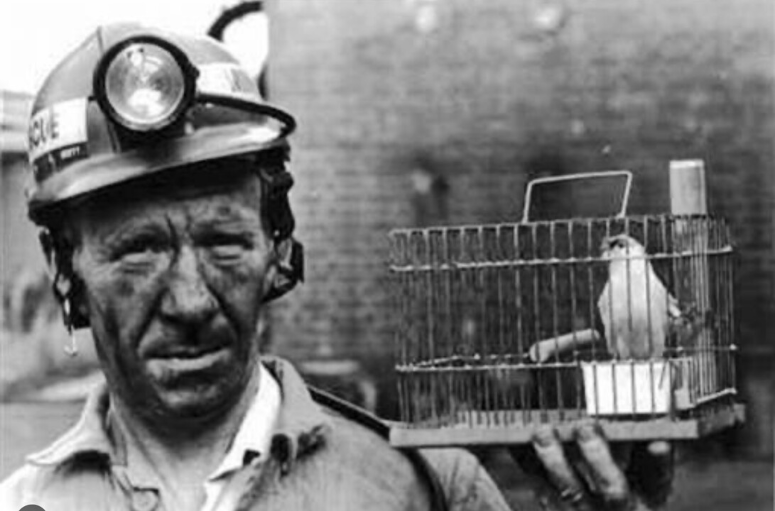
Will o’ The Wisp
The field of forensic sciences has evolved dramatically over the past century, but some of its most...
Read More
A Floating Carbon Monoxide Generator: Toxic Gas Ri...
A boat may seem like the perfect place to relax in fresh air and sunshine,...
Read More
CO- The Ancient, Silent Killer Does not Take Vacat...
The silent killer carbon monoxide is one danger most travellers never expect to encounter while...
Read More