


Nicotine Pouches: The Prolonged, Slow Release of Nicotine is Toxic
Nicotine pouches are tobacco-free products marketed by major tobacco companies as safer alternatives to smoking, but research reveals a disturbing truth. “These pouches, which lack clear warning labels, are promoted among social media forums and present a serious risk of inadvertent overdose and harm, especially among young adults” (Kent, Mok and Austin, 2025). Understanding the unique dangers of these products is essential for public health.
Nicotine is a very toxic and highly addictive neurotoxin and banned pesticide. Large international tobacco companies have pivoted from being drug pushers of cigarettes to drug pushers of nicotine. Due to public and government legislation and lawsuits, these large conglomerates have finally stripped down their tobacco products to just nicotine, flavours and sweeteners in a pouch—the bare necessities of addiction.
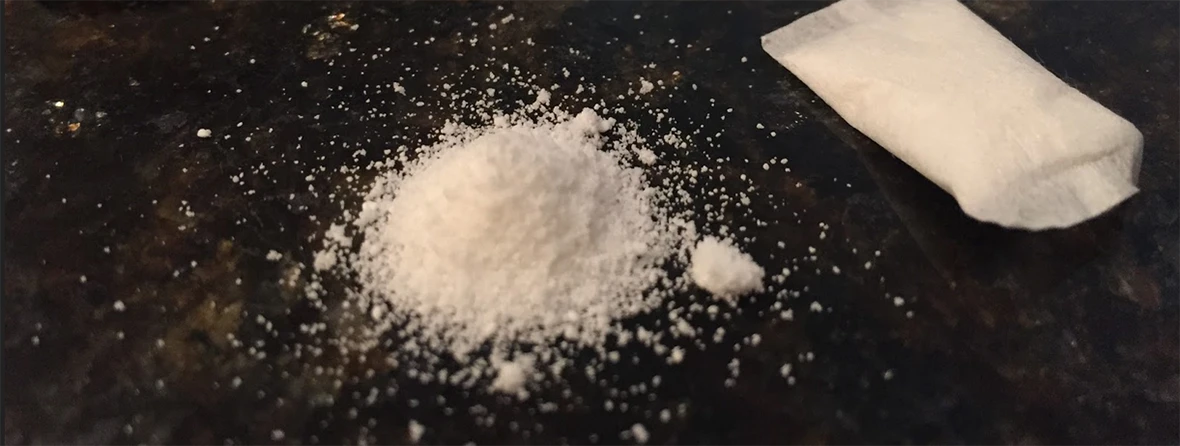
The Science Behind Prolonged Nicotine Exposure
While cigarettes generally contain more nicotine than pouches (15-20 mg vs 3-10 mg), they deliver significantly less nicotine into the bloodstream. The critical difference lies in the delivery mechanism and duration of exposure.
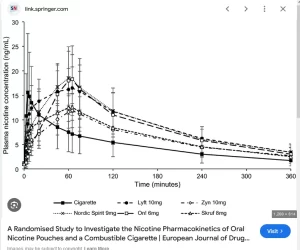
Nicotine pouches release nicotine more slowly, about 20 to 30 minutes compared to seconds for cigarettes, causing the plasma nicotine concentration to be elevated for a longer time. This prolonged elevation means users of pouches are exposed to more of the neurotoxin than cigarette users, substantially increasing the risk of adverse effects.
Key differences between cigarettes and nicotine pouches:
- Cigarettes deliver nicotine in seconds; pouches take 20-30 minutes
- Pouches maintain elevated blood nicotine levels for extended periods
- Total nicotine absorption is higher with pouches despite lower content per unit
- Delayed effects lead to repeated dosing and accidental overdose

These pouches, which lack clear warning labels, are promoted among social media forums and present a serious risk of inadvertent overdose and harm, especially among young adults.
Kent, Mok and Austin, 2025

The Overdose Risk: Why Users Take Multiple Pouches
The other problem with pouches is that since the nicotine is released slower, users don’t feel the desired effects and consequently take another pouch and another, until a nicotine overdose or poisoning occurs. This pattern mirrors what occurs with edible cannabis users who overdose on THC due to delayed onset of effects.
Real-World Case: Nicotine Pouch Toxicity
 A 21-year-old male non-smoker used 15 extra-strength nicotine pouches (10.9 mg nicotine/pouch) over 12 hours as a study aid to keep him alert. The consequences were severe:
- Confused and replied nonsensically to questions
- Unable to sit at a table and slid to the floor numerous times
- Presented to emergency department nauseated, somnolent, tremulous, and sweating heavily
- Blood pressure: 184/99 mmHg; heart rate: 99 beats per minute
- Required IV fluids and benzodiazepines for supportive treatment
- Remained nauseated, confused and mildly agitated during admission
- Qualitative urine testing confirmed only nicotine and its metabolite cotinine
- Recovery took 24 hours before discharge
For context, these cardiovascular readings would put an older adult in serious medical danger, yet this young person achieved them simply by using nicotine pouches as marketed—for alertness and focus.
Public Health Implications and Warnings
The authors of this case study conclude: “Nicotine pouches are emerging as a novel way to use nicotine and due to their unique pharmacokinetics, aggressive marketing, and lack of warning labels, present a serious risk for inadvertent overdose and harm, especially among young adults.”
Healthcare professionals must be aware of this risk, especially from repeated exposures on an acute basis. The public requires appropriate caution about these deceptively dangerous products that are aggressively marketed on social media platforms without adequate health warnings.
The transformation of tobacco companies into nicotine delivery system manufacturers represents a calculated business strategy that maintains addiction while attempting to sidestep regulation. The result is a product that delivers higher sustained doses of a known neurotoxin while appearing less harmful than traditional cigarettes.
References
Could Vaping or Nicotine Pouches Harm Your Health?
Get Science-Based Answers at the Is Vaping Safe? Lecture with Forensic Toxicologist James Wigmore
Nicotine pouches are marketed as safe but can cause severe overdose—just like vaping, which is often promoted as a “safe” alternative to smoking. The truth is more complex, and the risks are real. At this exclusive Toronto Public Library lecture, award-winning forensic toxicologist James Wigmore will break down the science of nicotine addiction, vaping aerosols, and the public health data you need to make informed choices. Learn how forensic toxicology detects and explains the harms of modern nicotine products.
Register Now for the Vaping Safety LectureDon’t rely on marketing claims. Join us on Monday, February 23, 2026 at the Toronto Reference Library for evidence-based clarity on vaping, nicotine pouches, and your health.
FAQs on Nicotine Pouches
Are nicotine pouches safer than cigarettes?
In general pouches have less carcinogens and are not inhaled and should be safer for health than cigarettes, but they still contain nicotine and one can still become nic sick with pouches. More children attend hospital due to nicotine poisoning with pouches than for cigarettes.
How much nicotine is in a nicotine pouch?
Most nicotine pouches contain 3-10 mg of nicotine per pouch, though extra-strength varieties can contain up to 10.9 mg or more. However, they deliver more nicotine to your bloodstream than cigarettes despite lower total content.
Why do people overdose on nicotine pouches?
Because nicotine pouches release nicotine slowly over 20-30 minutes, users don't feel immediate effects and often use multiple pouches in succession, leading to accidental overdose and nicotine poisoning.
What are the symptoms of nicotine pouch overdose?
Symptoms include nausea, confusion, tremors, heavy sweating, elevated blood pressure and heart rate, inability to maintain balance, nonsensical speech, and somnolence. Severe cases require emergency medical treatment.
How long does nicotine from pouches stay in your system?
Nicotine pouches cause elevated plasma nicotine concentrations for 20-30 minutes during absorption, with effects potentially lasting much longer. Recovery from overdose can take 24 hours or more.
Are nicotine pouches addictive?
Yes. Nicotine is a highly addictive neurotoxin regardless of delivery method. Nicotine pouches deliver this addictive substance efficiently and are specifically designed to create and maintain addiction.
Why don't nicotine pouches have warning labels?
Current regulations haven't caught up with these newer products. The lack of clear warning labels is a serious public health concern, especially given aggressive social media marketing targeting young adults.
Can nicotine pouches help you quit smoking?
No credible evidence supports this claim. They simply substitute one form of nicotine addiction for another, potentially delivering even more nicotine than cigarettes while maintaining the addiction cycle.
Recent News

CO- The Ancient, Silent Killer Does not Take Vacat...
The silent killer carbon monoxide is one danger most travellers never expect to encounter while...
Read More
This Headache Cannot be Treated with Aspirin- Bewa...
A severe, persistent headache at work might seem routine, but in warehouses, it can signal...
Read More
Carbon Monoxide and Ghosts
Carbon monoxide(CO) has been an ancient, silent enemy of humans for thousands of years. Its...
Read More
Nicotine as a Chemical Weapon?
E cigarette liquid nicotine is not just a vaping product—it is one of the most potent...
Read More