


My Specialization- Alcohol and THC
As a forensic toxicologist specializing in alcohol (ethanol) and THC detection, I’m often asked: “How long does alcohol stay in your system?” and “How long does THC stay in your body?” These critical questions impact DUI cases, workplace testing, and personal injury claims across Canada. My expertise focuses on precise measurement of blood alcohol concentration (BAC) and THC levels, determining not just detection windows but actual impairment levels.
Whether analyzing a single substance or the dangerous combination of alcohol and THC, my forensic reports provide scientifically validated answers to these essential questions while maintaining chain-of-custody standards required for legal proceedings.
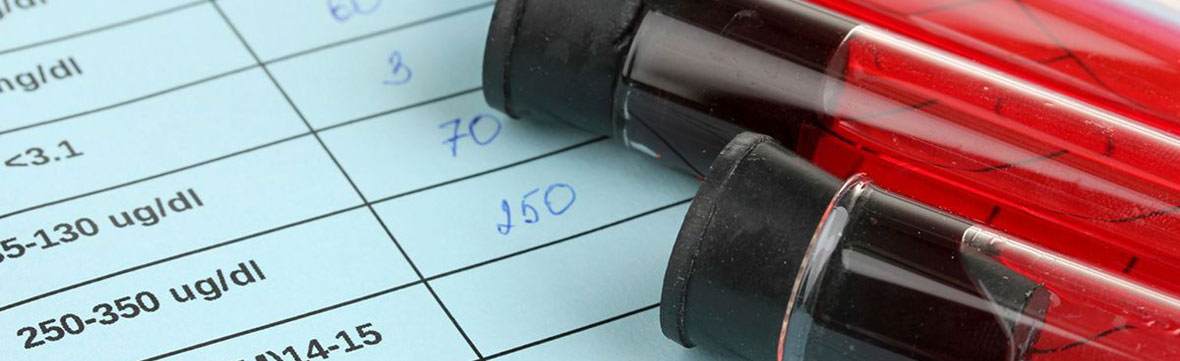
Forensic Toxicology Reports: Comprehensive Analysis
Blood Alcohol Concentration (BAC) Calculations
- Precise determination of alcohol levels at specific times (e.g., during driving or assault incidents)
- Retrograde extrapolation to estimate BAC when test timing differs from incident time
- Analysis of how long alcohol stays in your system based on consumption patterns
Alcohol Consumption Estimation
- Scientific assessment of exact alcohol quantities consumed
- Evaluation of potential overserving at licensed establishments
- Correlation between reported consumption and detection windows in your system
Driving Impairment Assessment
- Detailed analysis of cognitive and motor function impairment
- Comparison of measured BAC levels against established impairment thresholds
- Canada’s legal limits: 0.08% BAC (0.05% for novice drivers)
THC-Alcohol Combined Impairment
- Evaluation of how THC stays in your body alongside alcohol
- Documentation of synergistic effects that significantly worsen impairment
- Analysis of poly-drug DUI cases involving both substances
- Legal THC blood limit: 2ng/mL (federal offense in Canada)
Detection Windows: Alcohol and THC
Alcohol Detection:
- Blood: Up to 12 hours
- Breath: 12-24 hours
- Urine: 12-48 hours (up to 80 hours with EtG testing)
- Hair: Up to 90 days
THC Detection:
- Blood: 1-7 days (depending on usage frequency)
- Urine: 3-30 days
- Saliva: 24-72 hours
- Hair: Up to 90 days
Case Applications in Canada
Most of my cases involve civil or personal injury matters with focus on:
- DUI accidents (alcohol, THC, or combined)
- Bar/restaurant liability (overserving alcohol)
- Workplace incidents (post-accident testing)
- Dispute resolution (challenging inaccurate test results)
Blood level analysis is particularly crucial for:
- Establishing exact substance concentrations at time of incident
- Differentiating between recent use and residual traces
- Providing court-admissible scientific evidence
FAQs
How long does alcohol stay in your system for a blood test?
Alcohol is typically detectable in blood for 6-12 hours after consumption, depending on the amount consumed and individual metabolism.
How long does THC stay in your body for a urine test?
THC detection in urine ranges from 3 days (occasional users) to 30+ days (chronic heavy users), with most average users showing detection for 7-21 days.
Can you determine exactly when someone consumed alcohol based on a BAC test?
Through retrograde extrapolation, we can estimate when alcohol was consumed within a 1-2 hour window, but exact timing requires additional evidence.
What makes THC stay in the body longer than alcohol?
THC is fat-soluble and stores in body fat, while alcohol is water-soluble and metabolizes more quickly through the liver.
How does alcohol affect THC detection in the body?
Alcohol doesn't extend THC detection but the combination significantly increases impairment, making poly-drug DUI cases particularly dangerous.
What's the most accurate way to test current impairment for alcohol?
Blood tests provide the most accurate current BAC, while breath tests are reliable for recent consumption when properly administered.
Why do hair tests show much longer detection windows?
Hair follicle testing captures substance metabolites deposited in growing hair, providing a historical record rather than current impairment evidence.
How accurate are the standard "hours per drink" calculations for alcohol?
While useful for general estimates, individual metabolic variations mean these calculations have a ±25% margin of error in practice.
What makes your alcohol and THC analysis different from standard drug tests?
My forensic reports don't just detect substances - they establish precise concentration levels, timing of use, and actual impairment for legal proceedings.
Why are your reports accepted in Canadian courts?
They follow strict chain-of-custody protocols and use methodology approved by the Canadian Society of Forensic Science.
Recent News

A Sure-Fire Hangover Cure
For thousands of years, humanity has searched for a hangover cure. Ancient Romans ate fried canaries....
Read More
ALL RISE! The Supreme Court of Canada and the Two ...
The two beer defence – also known as the Carter defence – was a legal strategy used...
Read More
UKIAFT AGM & Conference 2026
This September, the premier forensic toxicology conference of 2026 brings together the world’s leading minds in London...
Read More
Organophosphates? Sarin? Russian Nerve Agent? No- ...
Nicotine poisoning is a serious and often underestimated danger. Nicotine is the most toxic and...
Read More