


If It is Safe to Eat, It is Safe to Inhale: Vape Store Owners’ Beliefs and Misinformation
Whenever I post on the net, a common response I receive is that vaping is no worse than drinking coffee. As a toxicologist I am always shocked by that statement. The nicotine vs caffeine comparison is not just misleading—it is dangerous. Vape store owners, who are often the primary source of health information for their customers, have helped spread this misinformation—a topic I explore in depth in Wigmore on Nicotine .
Nicotine is No More Dangerous and Addictive Than Coffee
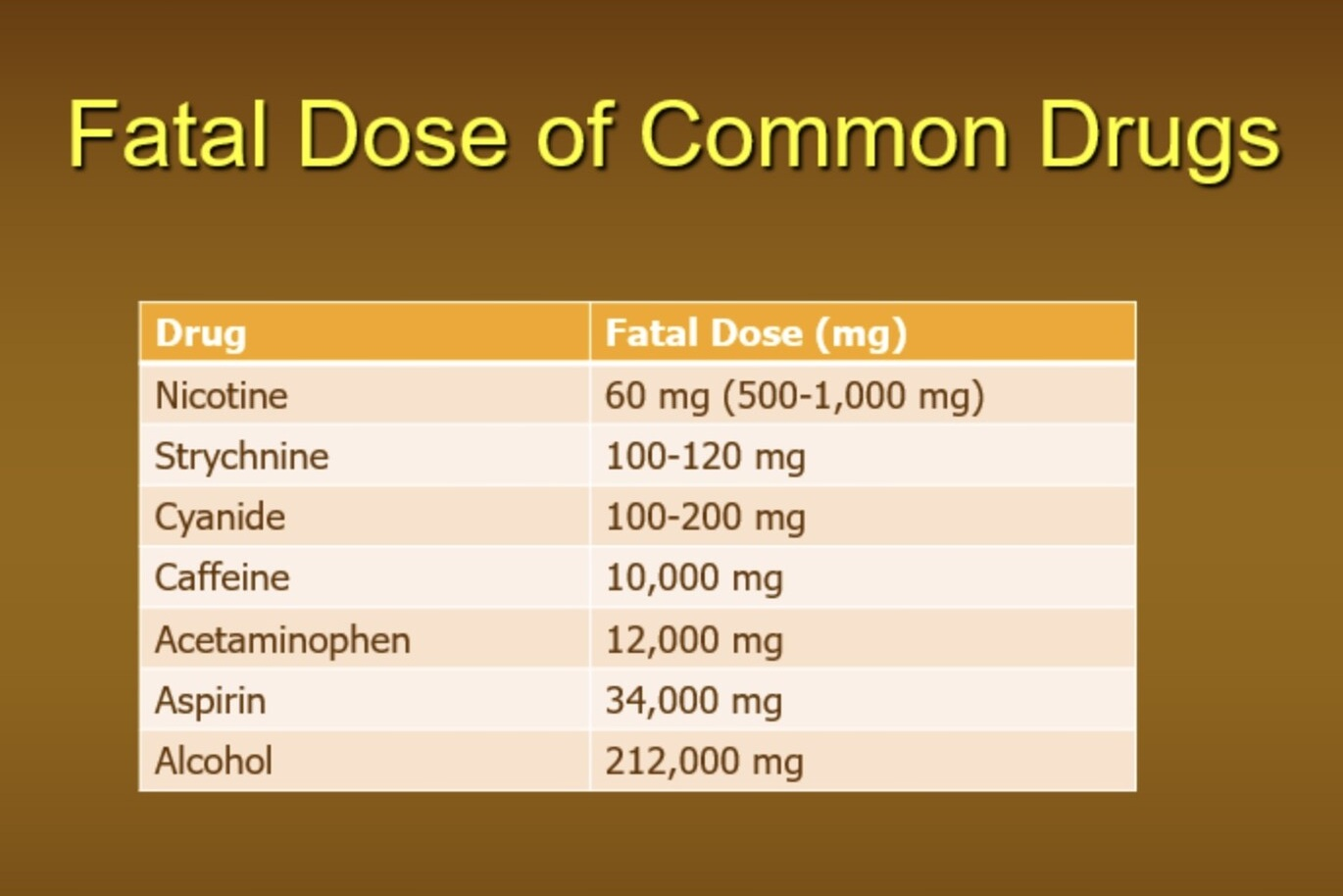 It is interesting to note that the same vape shop owners who stated that “nicotine is safer than caffeine, most people don’t know that” and “Nicotine is no more harmful than caffeine. It’s just what makes the cigarettes addictive” were also quick to emphasize that liquid nicotine that touched the skin could be very dangerous. There would be no such danger if coffee spilled on your skin. You might suffer a burn if it was scalding hot.
The nicotine vs caffeine distinction is clear in the scientific literature. One review of 57 articles found that while nicotine and caffeine share some positive effects, they are significantly different in their addictive qualities and negative health effects. The authors concluded that “equating the effects of nicotine to caffeine could be harmful to public health as a whole.” The American Lung Association is even more direct: “Although nicotine and caffeine are both stimulants, the health risks of use between the two are not comparable.”
If It is Safe to Eat, It is Safe to Inhale
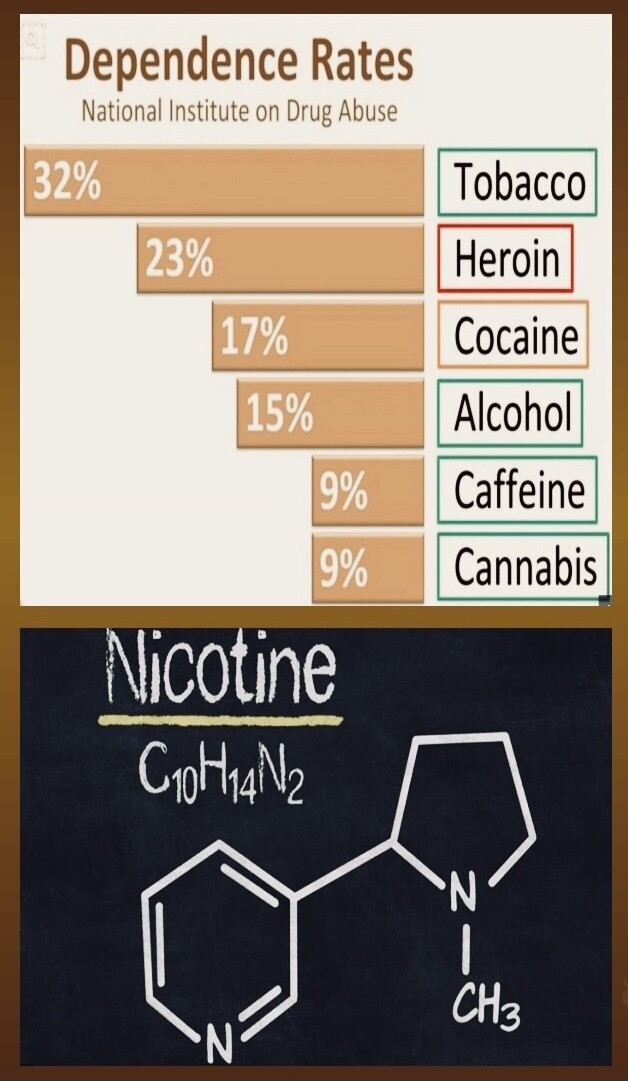 This misconception has already caused many thousands of deaths and long-term injuries. For example, diacetyl produces a buttery sensation when eaten in microwave popcorn, but causes popcorn lung disease (bronchiolitis obliterans) when inhaled. Even now, not all vape liquids are diacetyl free.
Another chemical, vitamin E acetate, is safe to eat, or use in skin lotions, but when added to e-liquids has caused an outbreak of EVALI. The nicotine vs caffeine comparison distracts from these real dangers.
Vaping Ingredients are "Kosher"
Multiple participants also described their products as “kosher” and contained ingredients approved by the US Food and Drug Administration. Owners reasoned that a safe food was a safe vape. “vegetable oil [referring to vegetable glycerin (VG)], people eat it every day. Why not suck it down your lungs? It don’t hurt you,” one owner said. Another added, “Propylene glycol is used in everything—drinks, candy bars, I mean you breathe it every day.”
This reasoning is exactly the kind of misinformation that the nicotine vs caffeine myth encourages. The Cheney study found that owners “considered ingredients in the e-liquid as safe to use if it was safe to eat.”
Propylene Glycol
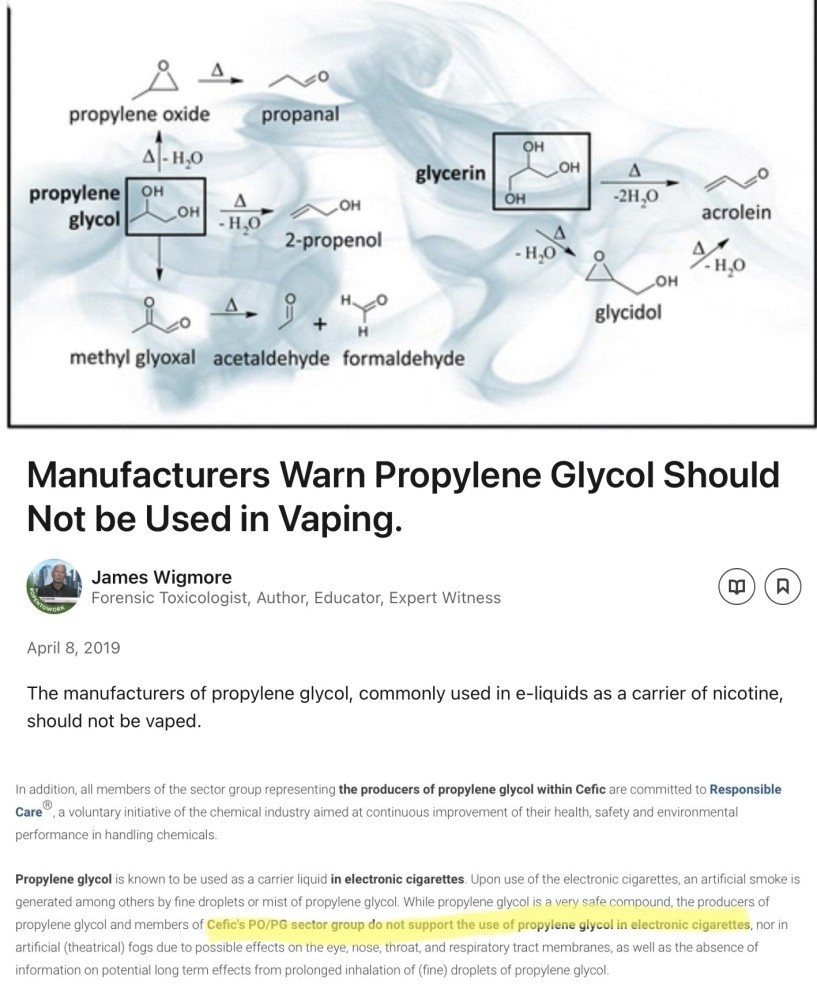 Propylene Glycol (PG) is a chemical or food additive that is also GRAS and has been used safely for many years in food products. But it has also been used in cigarettes as a humectant to keep the tobacco moist. We all know how carcinogenic cigarette smoke is, and of the chemicals used in cigarettes propylene glycol is one of them.
Propylene glycol is now used as the liquid in e-cigarettes, to dissolve nicotine and flavorings and allow them to be vaporized at lower temperatures than combustion. But PG is still converted to other more toxic chemicals as shown in the above figure, even under vaping conditions.
The PG manufacturers have issued a statement that propylene glycol is to be used orally only and not inhaled. This position is confirmed by Cefic, the European Chemical Industry Council. In a statement from their PO/PG sector group, the producers of propylene glycol wrote that they “do not support the use of propylene glycol in electronic cigarettes, nor in artificial (theatrical) fogs due to possible effects on the eye, nose, throat, and respiratory tract membranes, as well as the absence of information on potential long term effects from prolonged inhalation of (fine) droplets of propylene glycol.”
In other words, even the companies that make propylene glycol are warning against inhaling it. This is another instance of GRAS being misrepresented by the vaping industry to reassure consumers about the alleged safety of its products. The nicotine vs caffeine debate distracts from this far more serious concern.
The data regarding the vape store owners’ beliefs and messages to customers (Cheney, Gowin and Wann, 2016) was based on detailed interviews with 33 shop owners.
Conclusions
The study’s conclusions on nicotine vs caffeine were clear:
“Without training, knowing where to access accurate information, or an understanding of basic science, owners relied on their personal experiences with vaping. The belief expressed by many owners that if a substance was safe to eat, it was safe to inhale reflected their lack of knowledge and training. Owner messages about nicotine, including nicotine originating from vegetables and being equated with caffeine, likely lessens the perceived risk of addictiveness and harmfulness in current or potential customers.”
The nicotine vs caffeine comparison is not a harmless simplification. It is a dangerous myth. Nicotine is not caffeine. It is more addictive, more toxic, and when delivered through vaping, it comes with a host of other chemicals that were never meant to be inhaled.
References:
Contact an Expert on Nicotine vs Caffeine and Vaping Risks
Consult Canada's Leading Forensic Toxicologist
James Wigmore has spent decades studying nicotine, vaping, and toxicology. His book Wigmore on Nicotine is the definitive reference on the subject. If you need expert insight into the nicotine vs caffeine myth, vape store misinformation, or the toxicology of inhaled chemicals, contact him today.
Contact James Wigmore TodayPut decades of forensic toxicology expertise on your side. Reach out now for expert consultation.
FAQs on Nicotine vs Caffeine and Vape Store Misinformation
Is nicotine as safe as caffeine?
No. The American Lung Association states that the health risks of nicotine and caffeine are not comparable. Nicotine is far more addictive.
Why do vape store owners say nicotine is like caffeine?
The Cheney study found that owners lacked training to evaluate scientific information and relied on personal experience.
What is the "safe to eat, safe to inhale" myth?
It is the false belief that a substance safe for ingestion is also safe for inhalation. Diacetyl and vitamin E acetate are safe to eat but cause severe lung disease when inhaled.
What is popcorn lung?
Bronchiolitis obliterans, a non-reversible lung disease caused by inhaling diacetyl.
Is propylene glycol safe to inhale?
No. Even the manufacturers of propylene glycol do not support its use in e-cigarettes.
What did the Cheney study find about vape store owners?
Owners used the internet for information but lacked training to evaluate it. They compared nicotine to caffeine and described vaping as a habit rather than an addiction.
What is EVALI?
E-cigarette or vaping product use-associated lung injury, linked primarily to vitamin E acetate in THC-containing products.
Is nicotine more addictive than caffeine?
Yes. Research consistently shows nicotine has stronger addictive qualities than caffeine.
What should vape store owners tell customers?
The study recommended translating scientific findings into clear, lay-language summaries so owners can provide accurate information.
What is the main danger of the nicotine vs caffeine myth?
It lessens the perceived risk of addictiveness and harmfulness, encouraging people to underestimate the dangers of vaping.
Recent News
If It is Safe to Eat, It is Safe to Inhale: Vape S...
Whenever I post on the net, a common response I receive is that vaping is...
Read More
Organophosphates? Sarin? Russian Nerve Agent? No- ...
Nicotine poisoning is a serious and often underestimated danger. Nicotine is the most toxic and...
Read More
Switching to E-Cigarettes Did not Prevent His Lung...
He quit smoking cigarettes in 2009 and switched to e-cigarettes, believing he had made a...
Read More
It is Not Harm Reduction When Children and Youth a...
Flavoured nicotine pouches are marketed as “reduced harm” for adults. But when a 13-year-old girl...
Read More