


A Lead Has Opened Up: Breathalyzer Law
About a year after I retired from the Centre of Forensic Sciences, I had lunch with the Deputy Attorney General of Ontario, Murray Segal, to discuss future projects. It was quite an honour, and he was charming. What began as a casual conversation about career paths became a pivotal moment in my career as a forensic toxicologist. Murray Segal wanted me to write several scientific chapters for his comprehensive book on breath test and breathalyzer law in Canada.
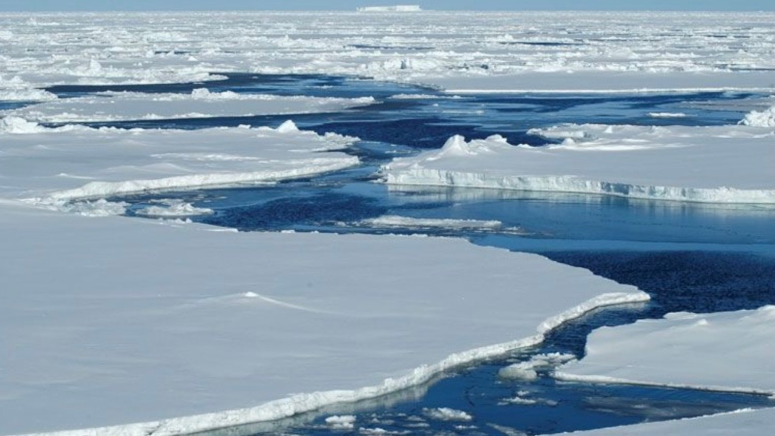
My colleague Robert Langille later described my approach to such challenges with a memorable metaphor: “You are like an arctic explorer looking for the northwest passage, you overcome all sorts of obstacles, icebergs, polar bears, and storms, and just like it looks like you are trapped, a lead opens up and you sail through unharmed.” When Murray offered me this opportunity, I saw that a lead had opened up. I agreed to write 7 chapters.

You are like an arctic explorer looking for the northwest passage, you overcome all sorts of obstacles, icebergs, polar bears, and storms, and just like it looks like you are trapped, a lead opens up and you sail through unharmed.
Robert Langille on his colleague, James Wigmore

Murray Segal, Deputy Attorney General of Ontario
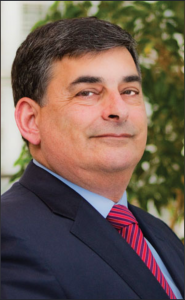 During our lunch, Murray Segal shared a surprising detail about his own career. While other lawyers were articling at prestigious law firms and with Superior Court judges, he was articling at Canadian Tire to pay for law school. That humility and work ethic stayed with him throughout his distinguished legal career. He became one of the most respected legal figures in Ontario, serving as Deputy Attorney General and co-authoring the definitive text on alcohol breath test and breathalyzer law.
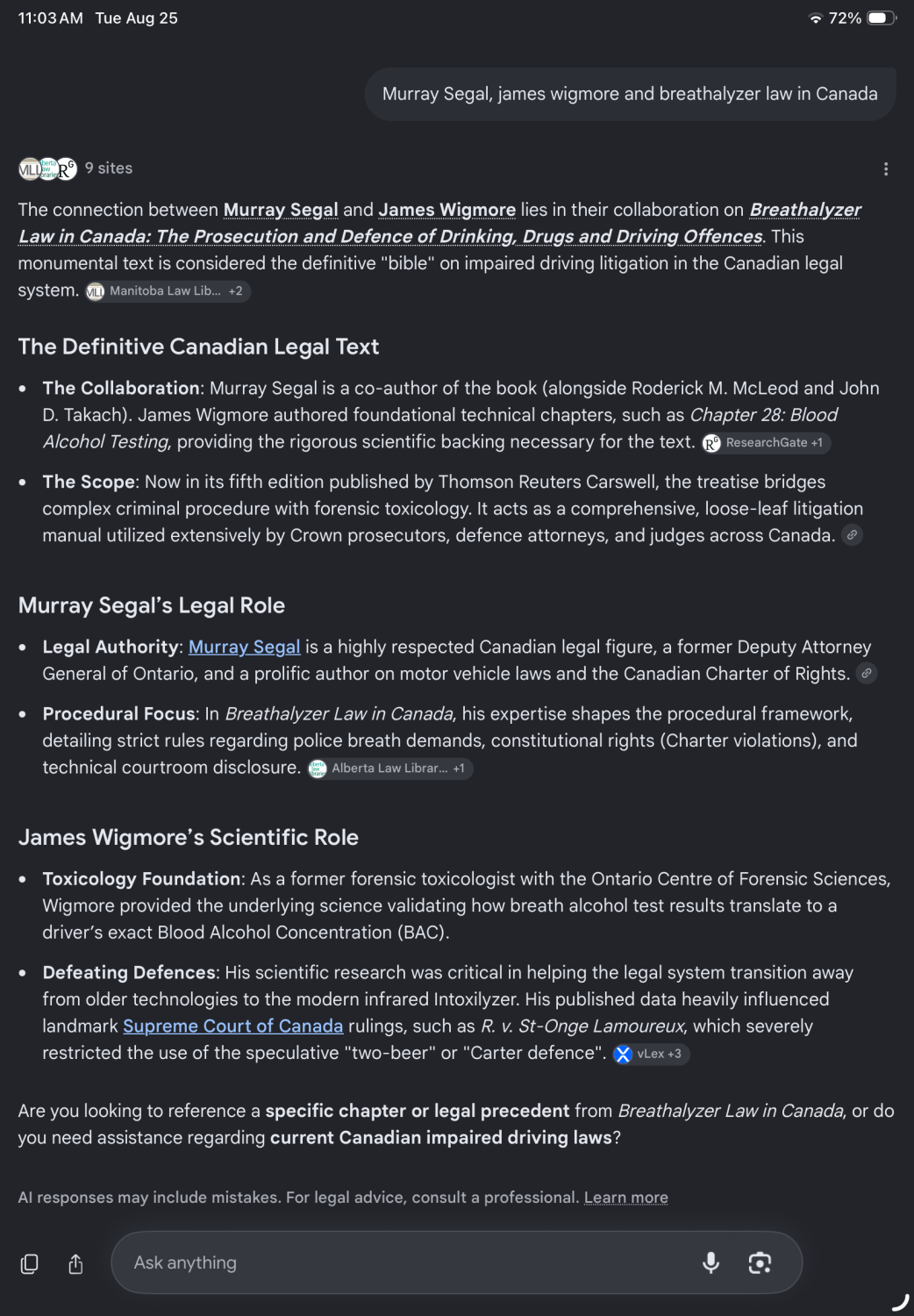
The connection between Murray Segal and me lies in our collaboration on Breathalyzer Law in Canada: The Prosecution and Defence of Drinking, Drugs and Driving Offences. This monumental text is considered the definitive “bible” on impaired driving litigation in the Canadian legal system.
The collaboration involved:
- Murray Segal as co-author of the book alongside Roderick M. McLeod and John D. Takach
- James Wigmore authoring foundational technical chapters, such as Chapter 28: Blood Alcohol Testing
- The rigorous scientific backing necessary for the text
- The book bridging complex criminal procedure with forensic toxicology
Murray Segal’s legal expertise shaped the procedural framework, detailing strict rules regarding police breath test demands, constitutional rights, and technical courtroom disclosure. My role was to provide the scientific foundation that validated how alcohol breath test results translate to a driver’s exact blood alcohol concentration.
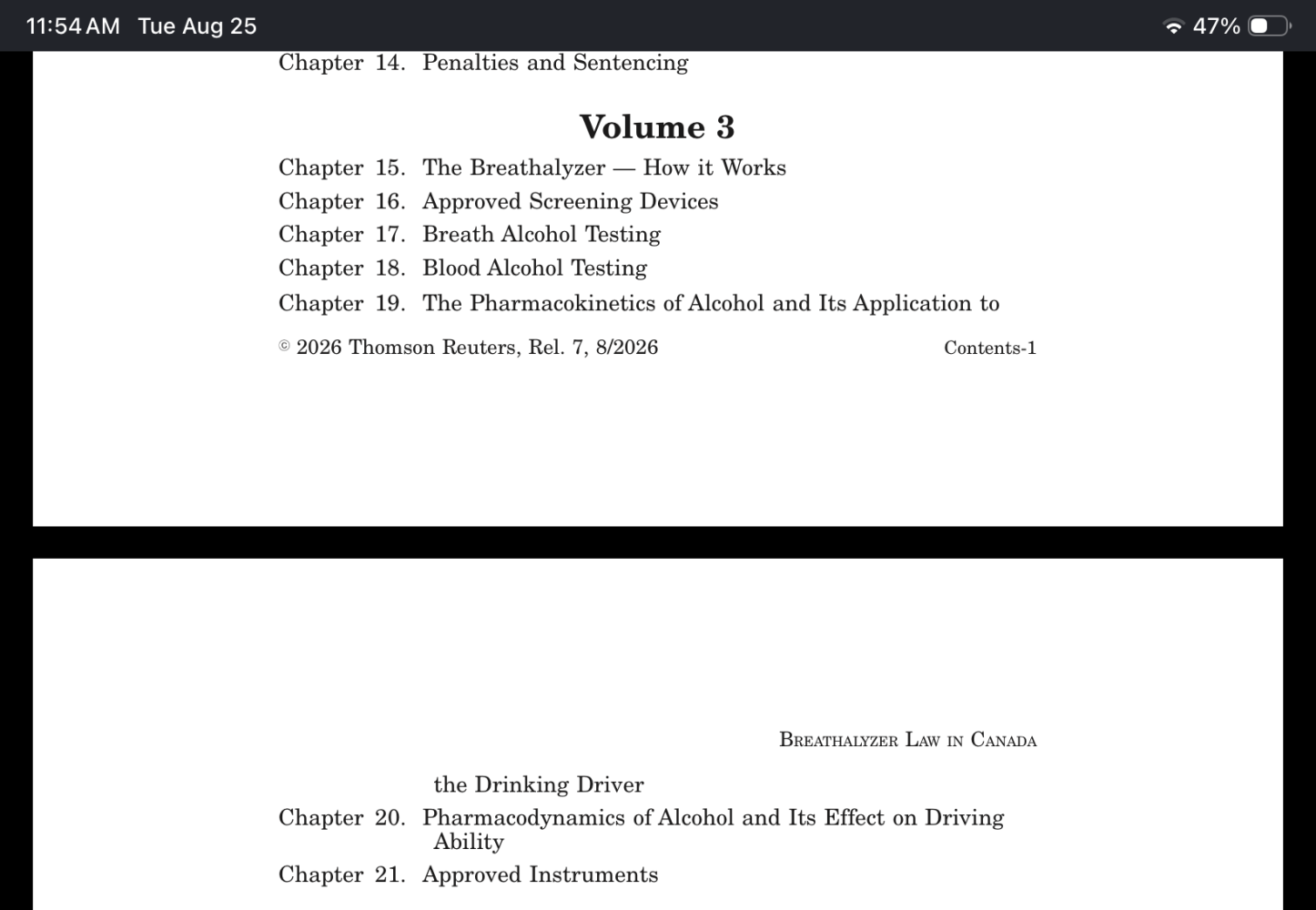
Breathalyzer Law in Canada
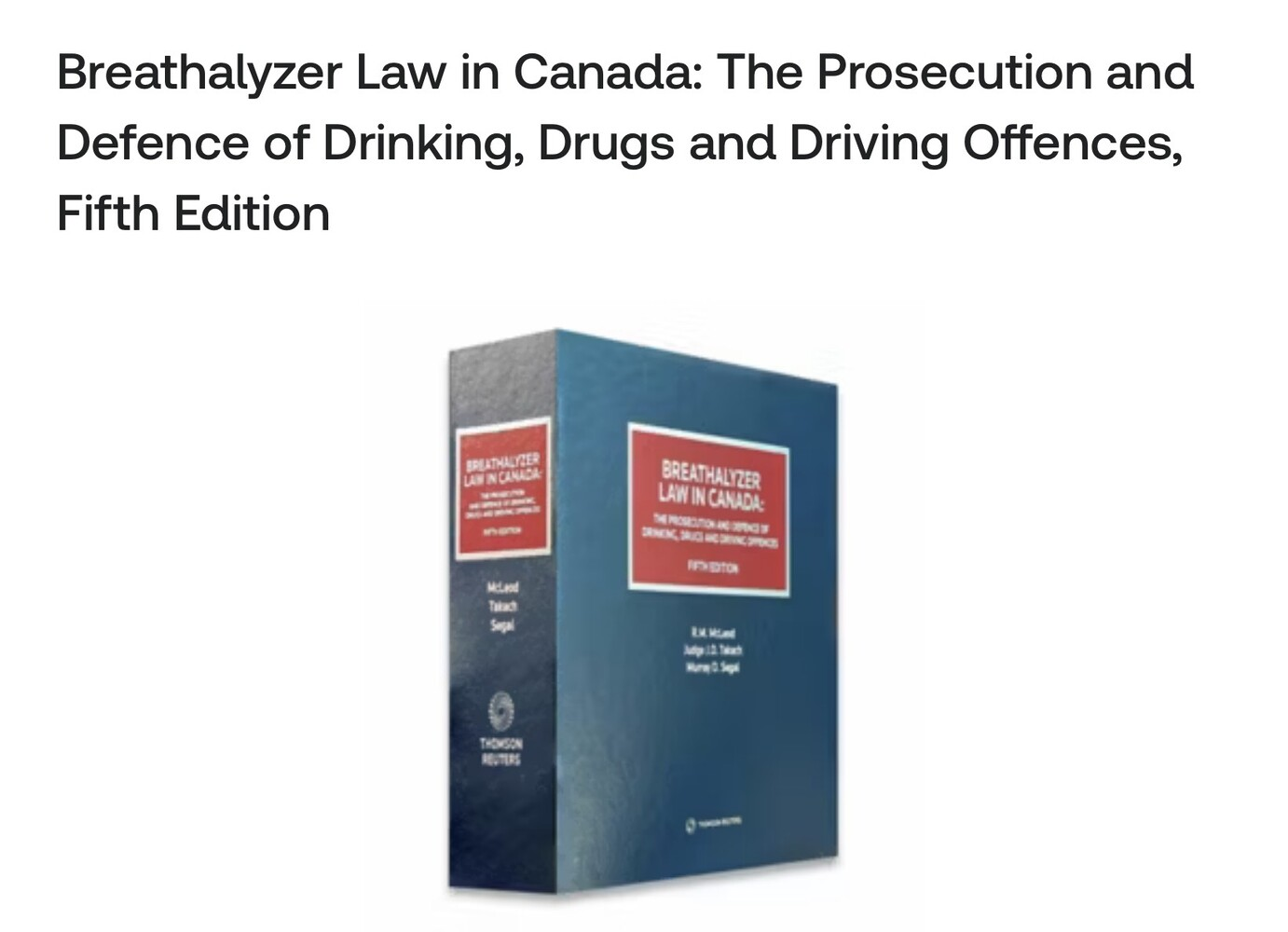
 Breathalyzer Law in Canada: The Prosecution and Defence of Drinking, Drugs and Driving Offences is now in its fifth edition, published by Thomson Reuters Carswell. It acts as a comprehensive, loose-leaf litigation manual utilized extensively by Crown prosecutors, defence attorneys, and judges across Canada. It is the single most important reference for anyone involved in Breathalyzer litigation.
I saw that a lead had opened up, and so I agreed to write 7 chapters for his book, with my mentor and retired Director of the Centre of Forensic Sciences, Doug Lucas, and my colleague, a fellow senior toxicologist, Robert Langille. The chapters we contributed on breath test science are:
- Chapter 15: The Breathalyzer — How it Works
- Chapter 16: Approved Screening Devices
- Chapter 17: Breath Alcohol Testing
- Chapter 18: Blood Alcohol Testing
- Chapter 19: The Pharmacokinetics of Alcohol and Its Application to the Drinking Driver
- Chapter 20: Pharmacodynamics of Alcohol and Its Effect on Driving Ability
- Chapter 21: Approved Instruments
I have included a link to the Chapter on blood alcohol.
Each chapter was designed to give lawyers, judges, and toxicologists a rigorous scientific foundation for understanding alcohol breath test technology and alcohol impairment. Without this scientific grounding, the law would be built on sand.
Defeating Defences
My scientific research was critical in helping the legal system transition away from older breath test technologies to the modern infrared Intoxilyzer. This transition was not automatic – it required published data and courtroom testimony to demonstrate that the new alcohol breath test technology was reliable and accurate.
My published breath test data heavily influenced landmark Supreme Court of Canada rulings, such as R. v. St-Onge Lamoureux, which severely restricted the use of the speculative “two-beer” or “Carter defence”. That 2012 decision represented the formal acceptance of the scientific accuracy of breathalyzer technology. The two-beer defence was consigned to history – not by legal argument alone, but by science.
Conclusion
 When it comes to forensic sciences and toxicology, as Doug Lucas has told me, “Never say no.” That advice has guided my entire career. When Murray Segal asked me to write chapters on breath test science for his breathalyzer law book, I could have said no. I was retired. I wanted to slow down. But I said yes.
I am glad I did. Breathalyzer Law in Canada remains the definitive text on impaired driving litigation, and my chapters continue to educate lawyers, judges, and toxicologists across the country. A lead had opened up – and I sailed through.
Reference:
Contact a Forensic Expert Who Wrote the Book on Breathalyzer Law
Consult Canada's Leading Forensic Toxicologist
James Wigmore authored 7 technical chapters for Breathalyzer Law in Canada, the definitive legal text on impaired driving litigation. With 50 years of experience at the Centre of Forensic Sciences and authorship of Wigmore on Alcohol, he provides expert insight for legal professionals.
Contact James Wigmore TodayPut 50 years of forensic expertise on your side. Reach out now for expert consultation.
FAQs on Breathalyzer Law in Canada
What is Breathalyzer Law in Canada?
A comprehensive legal text on the prosecution and defence of drinking, drugs, and driving offences, now in its fifth edition.
Who wrote Breathalyzer Law in Canada?
Roderick M. McLeod, John D. Takach, and Murray Segal, with technical chapters by James Wigmore.
How many chapters did James Wigmore write?
Seven chapters covering Breathalyzer technology, blood alcohol testing, and the pharmacokinetics and pharmacodynamics of alcohol.
Who was Murray Segal?
A former Deputy Attorney General of Ontario and co-author of Breathalyzer Law in Canada.
What Supreme Court case was influenced by Wigmore's research?
R. v. St-Onge Lamoureux, which restricted the two-beer or Carter defence.
Who is Robert Langille?
A fellow senior toxicologist and colleague of James Wigmore at the Centre of Forensic Sciences.
Recent News
A Lead Has Opened Up: Breathalyzer Law
About a year after I retired from the Centre of Forensic Sciences, I had lunch...
Read More
Earthquake!
Listen, Understand, Consider, Answer, Shut-up. The Doug Lucas approach to answering questions in court. When...
Read More
Impaired Driving Cases: Rats Don’t Drive
Impaired driving prosecutions require expert testimony grounded in human physiology, not animal studies. Occasionally humour...
Read More
A Toxicology Definition Perspective: Does Gastric ...
Gastroesophageal Reflux Disease (GERD) is a digestive disease that occurs in approximately 10 to 20%...
Read More