


ALL RISE! The Supreme Court of Canada and the Two Beer Defence
The two beer defence – also known as the Carter defence – was a legal strategy used by impaired drivers to avoid conviction. The accused would testify that they had consumed only two beers before driving, and that their blood alcohol concentration (BAC) must therefore have been below the legal limit. This defence relied entirely on the subjective testimony of the accused, rather than objective scientific evidence. For decades, the two beer defence created a lucrative industry for private forensic toxicologists and defence lawyers.
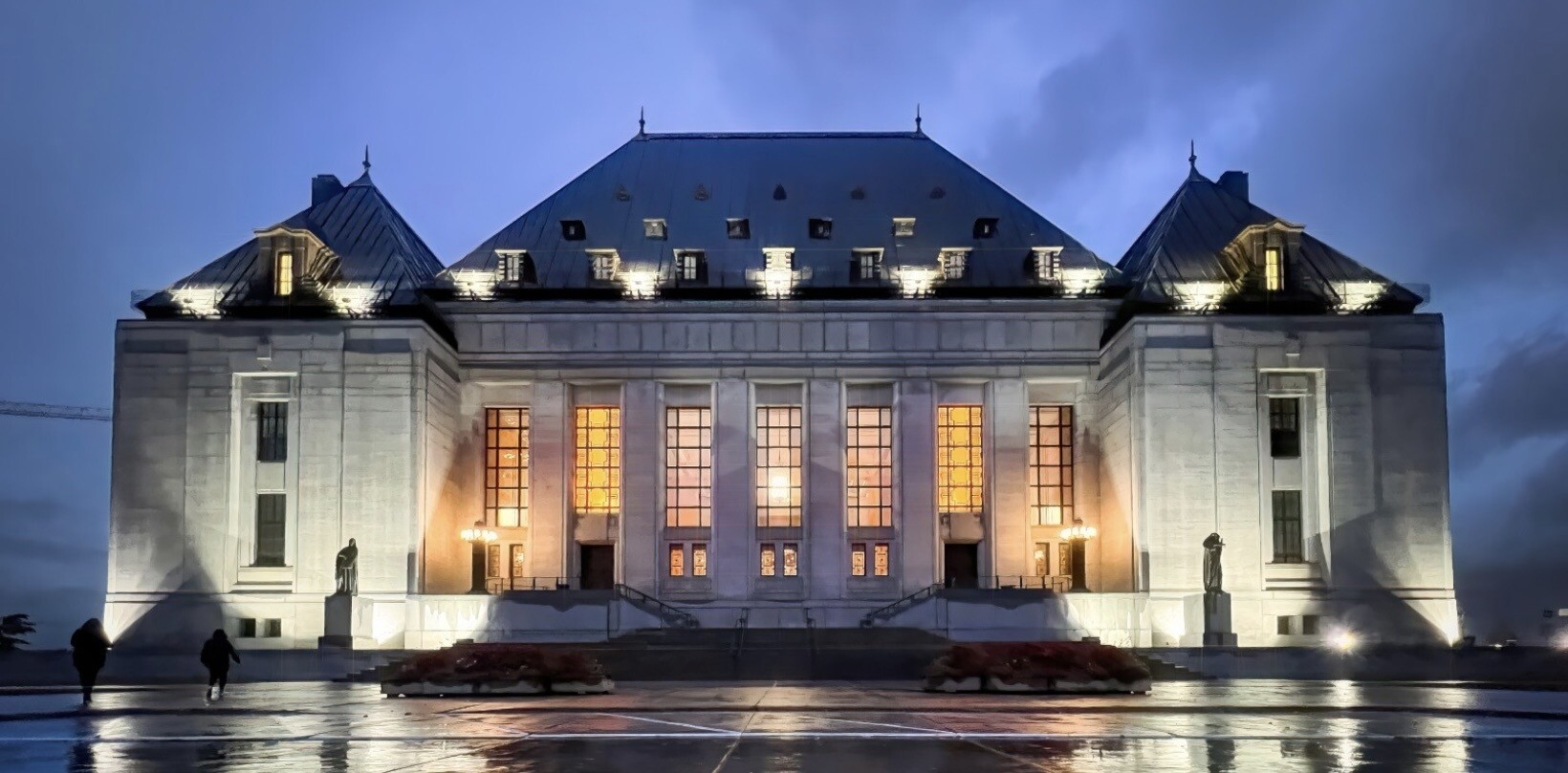
But on October 13th, 2011, my whole career in forensic alcohol toxicology had built up to this one day in Ottawa at the Supreme Court of Canada to decide the validity of the two beer defence. The appeal was basically whether breath alcohol testing was accurate and could be relied upon rather than the testimony of the amount of alcohol consumed by the accused impaired driver. The stakes could not have been higher.

The analysis of a sample of a person’s breath by means of an approved instrument produces reliable and accurate readings of blood alcohol concentration.
Section 320.12 (c) Criminal Code of Canada

Sharks vs Boy Scouts
The court was full of lawyers in black robes, which you don’t see normally in impaired driving criminal court. I looked around and the prosecutors (crown attorneys) seemed to me to be a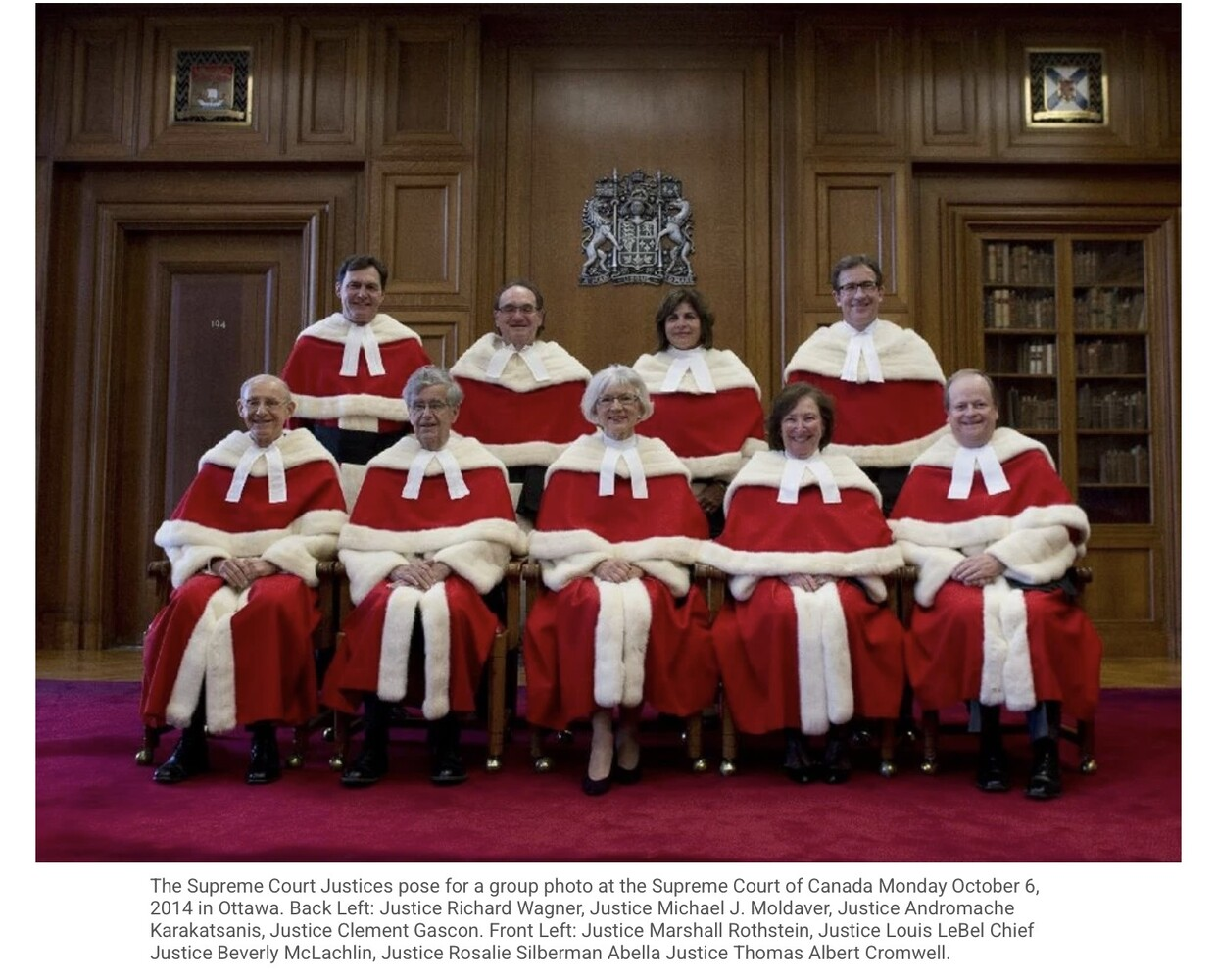 bit like boy scouts – respectful, quiet, serious. The defence lawyers looked a bit like sharks – flamboyant, confident, expensively tailored with expensive watches. They seemed hungrier than the prosecution, as they could lose millions of dollars a year if the two beer defence was no longer valid. The two beer defence had been a reliable source of income for defence lawyers and private experts who would calculate BACs based on viva voce testimony.
Various lawyers from both sides presented in front of the Justices. Usually the Justices interrupt the presentation with pointed questions. The questions are a good indicator about what the Justices consider important, and it is a good idea to answer the questions directly.
One defence lawyer basically yelled his prepared speech at the justices. When one justice interrupted with a question, the lawyer looked a bit annoyed and said he would answer the question later, but never did. He continued yelling. The justices eventually gave up trying to ask him a question. This approach would never work in a Supreme Court appeal – but the lawyer treated it like a criminal impaired driving trial.
The problem with the defence lawyers’ approach was that the hearing was treated like a criminal impaired driving trial with flamboyance and dramatic gestures when it was a Supreme Court appeal trial. These methods were about preserving the two beer defence at any cost For example, one lawyer dramatically showed his expensive wrist watch and said, “How can I tell if it is accurate?” Another lawyer complained that the printout of the Intoxilyzer 5000C was too small and was difficult to read and could easily be lost. These were desperate attempts to undermine the scientific evidence supporting breath testing.
Intoxilyzer Inaccurate in Washington DC
 One factual error which could have misled the Justices was that the lawyer representing the Ontario Criminal Defense Lawyer’s Association raised the issue of an Intoxilyzer 5000 used by the police in Washington DC which, according to news reports, was not calibrated properly and gave erroneous results in 40 cases.
“Same instrument, same procedure,” he said.
But of course it wasn’t. The breath instrument used by the Washington DC police was an Intoxilyzer 5000EN, which was never approved in Canada. The Intoxilyzer 5000C (now the 8000C and 9000C) was used here. In addition, the Washington DC police only checked the breath instrument with an alcohol standard once a month, compared to every driver breath test in Canada. The two beer defence relied on creating doubt about the accuracy of breath testing – but this argument was based on false information.
It was definitely NOT the same instrument, NOT the same procedure.
Buttressed by Wigmore
During the proceedings, I had the pleasure of hearing Chief Justice Beverley McLachlin refer to my name twice, saying the Crown’s arguments were “buttressed” by Wigmore. The SCC decision also referenced two of my papers on breath alcohol testing accuracy. This was the culmination of my career – seeing the scientific validity of breath testing upheld by the highest court in the land.
I had decided, on principle and scientific ethics and in order not to undermine the integrity of the breath alcohol testing program in Ontario, that I would not testify for the defence in two beer defence cases when I retired in 2005. The 2012 Supreme Court of Canada decision removed this lucrative line of income for private experts and defence lawyers anyway.
Conclusion
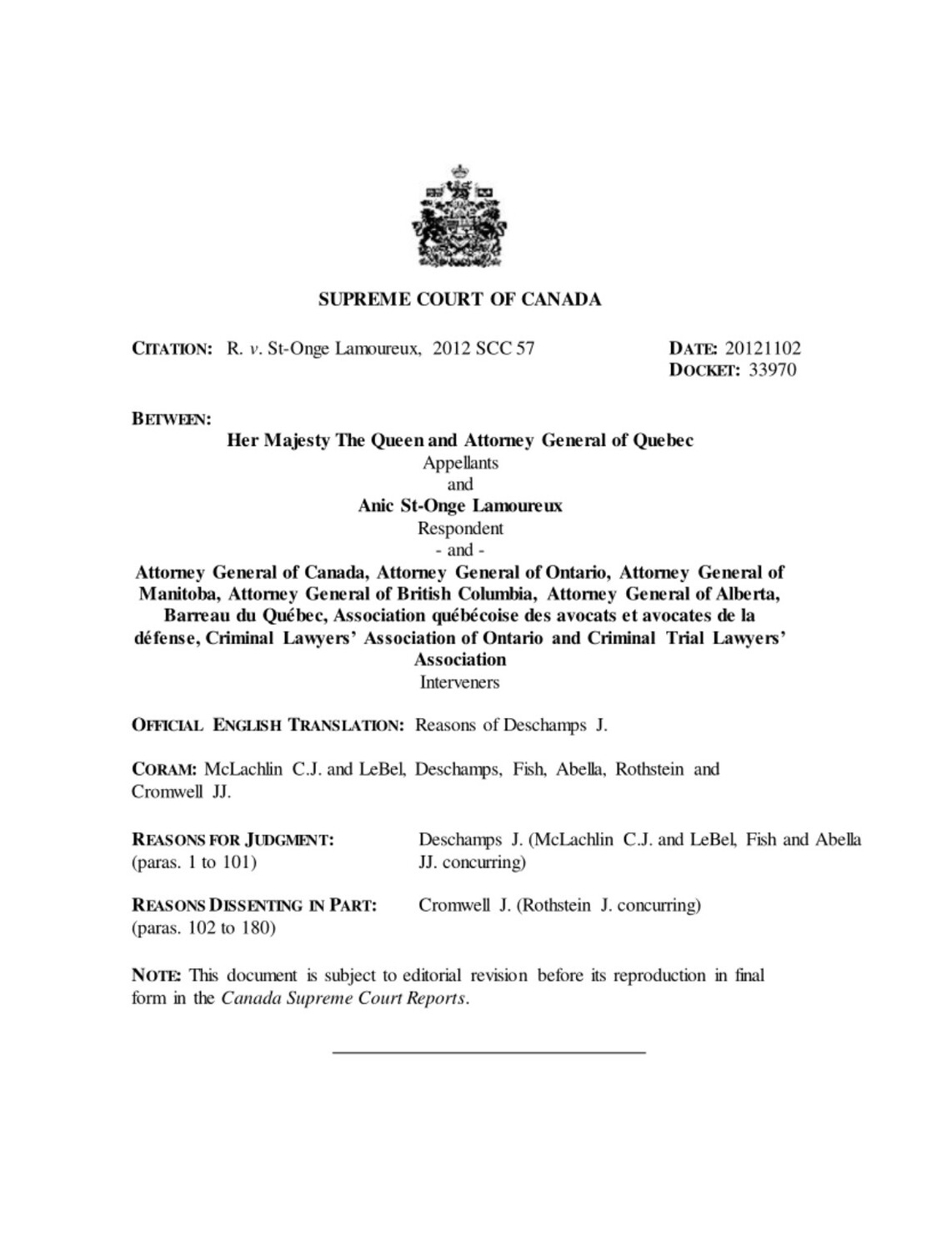
The Supreme Court judgment was not released until over one year after the hearing – on November 2nd, 2012.
The real impact of the case is not the upholding of the provisions themselves but the SCC’s endorsement of their elimination of the Carter defence. The legislation requires that those accused of driving over 80 must demonstrate a problem with the breathalyzer’s functionality or use without making recourse to any consumption or toxicological evidence (i.e. Carter evidence). The ruling represents the SCC formal acceptance of the scientific accuracy of breathalyzers. It does this by moving the locus of any defence to the over 80 offence from the subjective testimony of the accused to the (arguably) scientifically objective world of breathalyzer functionality and procedure.
Osgoode Law School Bulletin
 About 10 years after the SCC decision, I ran into a well-known defence impaired driving criminal lawyer who I respected and liked. After a bit of talking and some wine and beer, he turned to me and said seriously:
“Of course we all hate you.”
Then he said, “Just kidding.”
The two beer defence was ridiculous from the beginning. Putting significant weight on the testimony of the accused – who testified that he consumed alcohol on a timeline that would have put his BAC below the legal limit at the time of driving – was nothing but a desperate statement made to confuse the trier of fact. Follow the science and facts! The Supreme Court of Canada did exactly that, and the two beer defence was consigned to history.
References
- Martin, T.L., Wigmore, J.G., and Woodall, K.L., “A Comparison of Blood Alcohol Concentrations Estimated From Drinking Histories of Drivers Charged with Over 80 and their Intoxilyzer 5000C Results”, Canadian Society of Forensic Sciences Journal, 187, 2004
- Osgoode Hall Law School, University of York, “R v St-Onge Lamoureaux: The Supreme Court of Canada upholds most of Parliament’s new over 80 drunk driving law”, November 14, 2012
- Wigmore, J.G., “Man vs Machine: Self-Reported Alcohol Consumption of Drinking Drivers vs Evidential Breath Alcohol Tests’ Is the Restriction of Evidence to the Contrary Scientifically Valid?” 54 Crim L.Q., 395, 2009
Contact a Forensic Expert Who Helped End the Two Beer Defence
Consult Canada's Leading Forensic Toxicologist
James Wigmore’s research was cited by the Supreme Court of Canada in the landmark decision that eliminated the two beer defence. With 50 years of experience at the Centre of Forensic Sciences in Toronto and authorship of Wigmore on Alcohol, he provides expert insight into breathalyzer evidence, blood alcohol analysis, and courtroom testimony for legal professionals.
Contact James Wigmore TodayPut 50 years of forensic expertise on your side. Reach out now for expert consultation.
FAQs on the Two Beer Defence
What is the two beer defence?
A legal strategy where an accused impaired driver testifies they consumed only two beers before driving, claiming their BAC must therefore be below the legal limit.
When did the Supreme Court of Canada hear the two beer defence case?
The hearing was on October 13th, 2011, at the Supreme Court of Canada in Ottawa.
When was the judgment released?
The judgment was released on November 2nd, 2012 – over one year after the hearing.
What was the outcome of the case?
The Supreme Court upheld the accuracy of breathalyzers and eliminated the Carter (two beer) defence.
What did Chief Justice Beverley McLachlin say about Wigmore?
She said the Crown's arguments were "buttressed" by Wigmore, referring to his research twice.
How many of Wigmore's papers were referenced in the SCC decision?
Two of his papers on breath alcohol testing accuracy were referenced.
What was the factual error about the Washington DC Intoxilyzer?
The defence claimed the Washington DC Intoxilyzer 5000 was the same instrument used in Canada, but it was a different model (5000EN vs 5000C) with different procedures.
How often did Washington DC police check their breath instrument?
Only once a month, compared to every driver breath test in Canada.
Why did Wigmore refuse to testify for the defence in Carter cases?
On principle and scientific ethics, he would not undermine the integrity of the breath alcohol testing program in Ontario.
What did the Osgoode Law School Bulletin say about the ruling?
The ruling represents the SCC's formal acceptance of the scientific accuracy of breathalyzers, moving the locus of defence from subjective testimony to objective functionality.
Recent News
AI Cross-Examines an Expert and Goes to a Cocktail...
Artificial Intelligence is everywhere these days – writing articles, generating images, and even suggesting courtroom...
Read More
ALL RISE! The Supreme Court of Canada and the Two ...
The two beer defence – also known as the Carter defence – was a legal strategy used...
Read More
Earthquake!
Listen, Understand, Consider, Answer, Shut-up. The Doug Lucas approach to answering questions in court. When...
Read More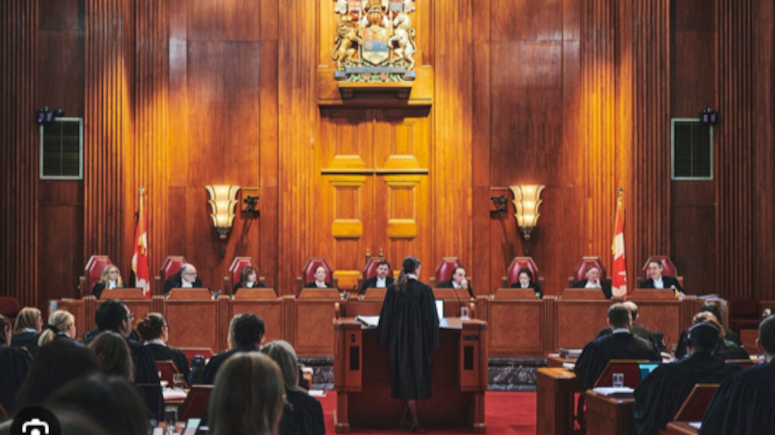
The Top Criminal Lawyer is not Necessarily the Bes...
A good DWI lawyer needs specific technical knowledge, not just a famous name. The rarefied...
Read More